
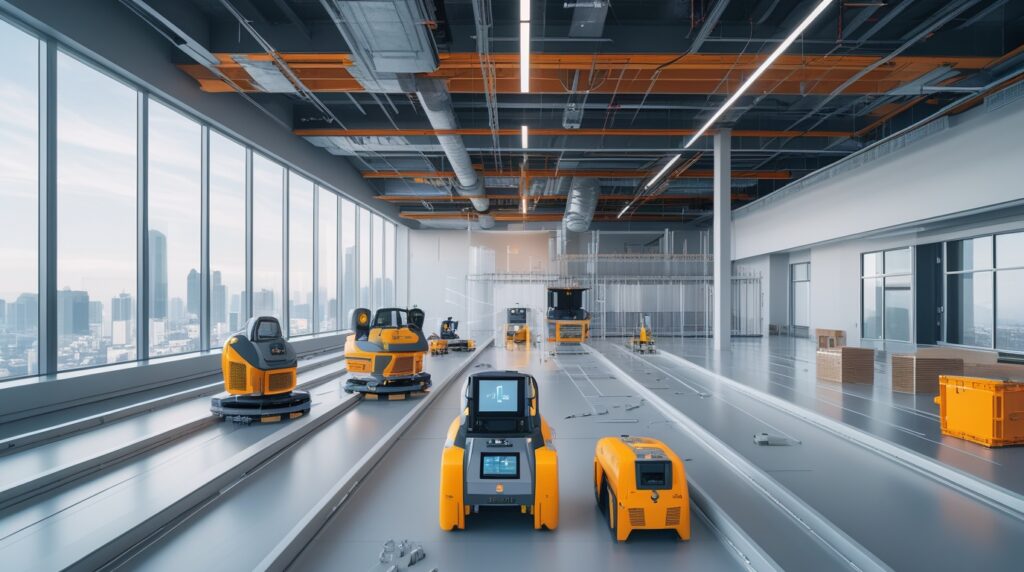
As the world shifts toward smarter, greener construction, AI in Scan to BIM is redefining how architects and engineers approach design, renovation, and sustainability. At Mettler Design, innovation meets precision through the seamless integration of Artificial Intelligence (AI) and Building Information Modelling (BIM).
This transformative technology enhances design accuracy, reduces construction waste, and promotes sustainable building management—a growing necessity as global demand for eco-friendly infrastructure surges.
What Is Scan to BIM and Why Is AI So Important?
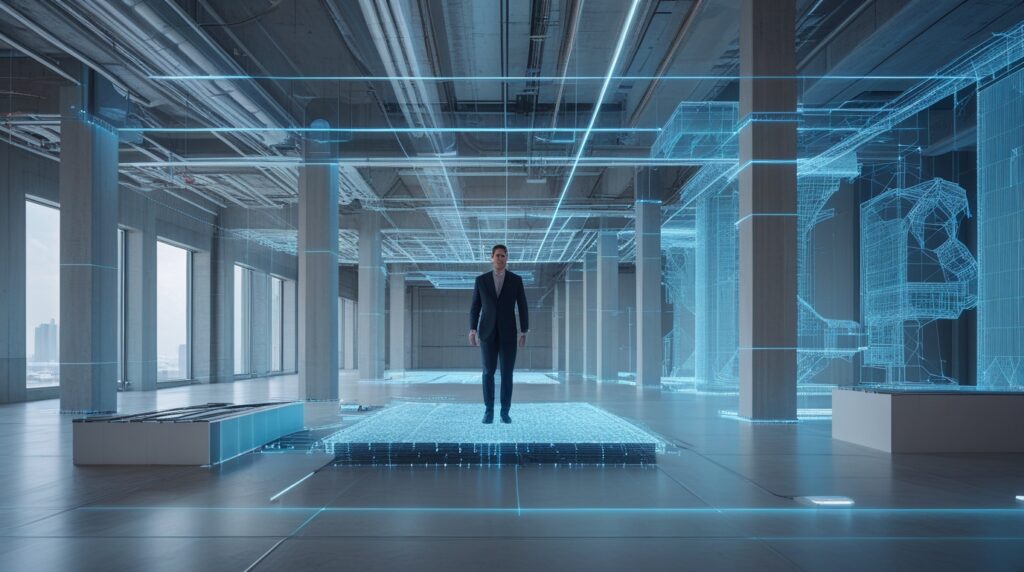
Scan to BIM converts real-world structures into detailed 3D digital models using laser scanning or photogrammetry. The process captures millions of data points (point clouds), representing every structural element with unmatched precision.
When AI technologies are integrated, this process becomes faster, smarter, and significantly more accurate. AI-driven Scan to BIM eliminates manual bottlenecks and transforms complex data into actionable insights—saving time, resources, and money.
How AI Is Transforming the Scan to BIM Workflow
AI isn’t just enhancing efficiency—it’s reshaping the entire construction workflow. By combining advanced algorithms with BIM, AI empowers architects and engineers to design intelligent, data-driven, and energy-efficient buildings.
1. Automated Object Recognition
AI tools automatically identify and label building components (walls, windows, columns) from 3D scans. This automation reduces manual modeling and minimizes human error, accelerating project timelines.
2. Enhanced Data Accuracy
AI-powered systems process large datasets with remarkable precision, ensuring accurate digital twins that mirror real-world conditions perfectly.
3. Predictive Maintenance
With AI, BIM models can forecast potential component failures, enabling proactive maintenance that extends building lifespan and reduces operational costs.
4. Energy Optimization and Sustainability
AI-driven simulations allow architects to test building performance before construction begins. This leads to energy-efficient layouts and a reduced carbon footprint.
5. Seamless Collaboration
Through AI-enabled BIM platforms, teams can collaborate in real time, ensuring consistent data flow, smoother project execution, and sustainable outcomes—all core values of Mettler Design’s architectural philosophy.
AI in Scan to BIM: The Key to Sustainable Building Management
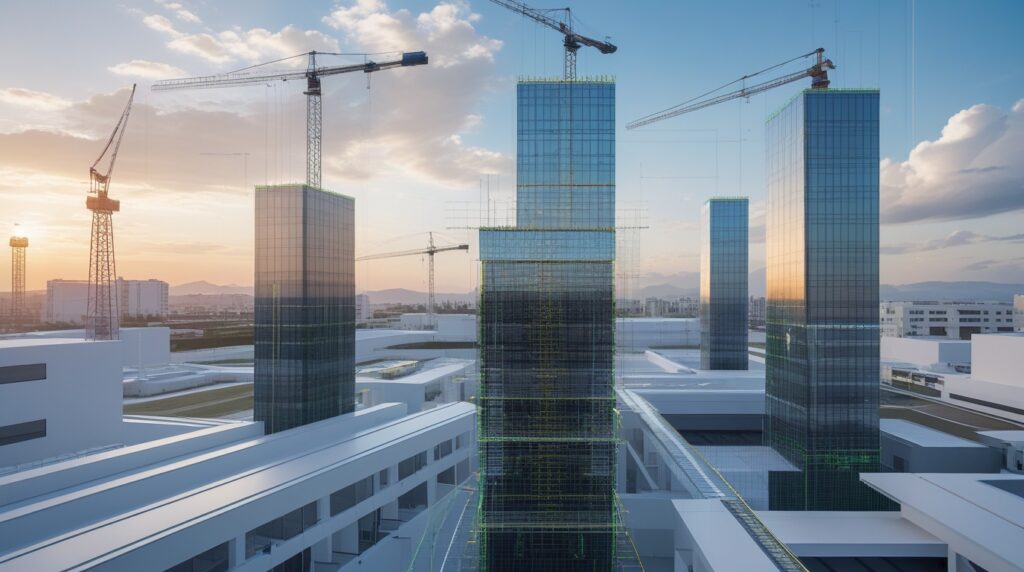
At Mettler Design, sustainability isn’t just an outcome—it’s the foundation of every design. Integrating AI with Scan to BIM promotes smarter, greener operations throughout a building’s lifecycle.
1. Smarter Energy Analysis
AI analyzes building models to assess energy performance, lighting efficiency, and ventilation systems. This insight enables architects to optimize resource consumption and integrate renewable solutions.
2. Reduced Waste and Material Rework
Accurate AI-based 3D models significantly cut down on design errors, reducing construction waste and preventing costly material overruns.
3. Lifecycle and Performance Assessment
AI continuously monitors and assesses a building’s health, predicting maintenance needs and ensuring long-term sustainability.
4. Intelligent Facility Management
Through digital twins, facility managers can track real-time data—monitoring energy use, system performance, and even predicting failures before they happen.
This proactive approach to building management marks a crucial shift from reactive maintenance to intelligent, data-driven decision-making.
Future Trends: Where AI and BIM Are Heading Next
The fusion of AI and BIM continues to evolve, paving the way for smarter, self-regulating buildings. Here are the emerging trends shaping the future:
1. Generative Design and Automation
AI-powered generative design enables architects to instantly generate optimized design options based on performance and sustainability criteria.
2. Real-Time Digital Twins
With IoT integration, real-time sensor data feeds into BIM models, creating dynamic digital twins for predictive analytics and performance optimization.
3. AI-Driven Construction Planning
AI will revolutionize project planning by predicting delays, improving resource allocation, and enhancing on-site safety.
4. Cloud-Based Collaboration
Future BIM environments will thrive in the cloud, allowing seamless, cross-disciplinary collaboration and intelligent data management powered by AI.
Why Businesses Should Embrace AI in Scan to BIM Now
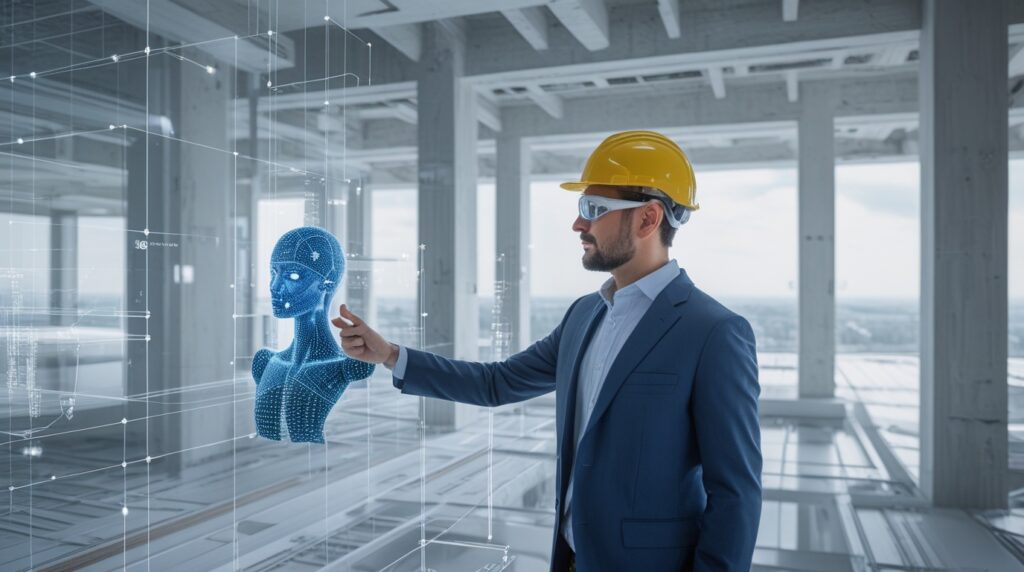
Investing in AI-driven Scan to BIM is more than adopting a new technology—it’s a strategic business move. Early adopters gain a competitive edge through:
- Faster project completion with automated modeling
- Higher accuracy and reliable as-built documentation
- Cost savings from predictive maintenance and efficient planning
- Sustainability compliance through energy-efficient designs
At Mettler Design, integrating AI with BIM aligns innovation with environmental responsibility—helping businesses lead the next generation of smart construction.
Conclusion: Building the Future with AI and Scan to BIM
The integration of AI in Scan to BIM represents a defining leap in architecture and construction. By merging technology with sustainability, firms like Mettler Design are setting new benchmarks for intelligent design and efficient project delivery.
As we move toward a future of smart, data-driven buildings, embracing AI-powered BIM solutions isn’t just an advantage—it’s a necessity for creating a sustainable, efficient, and resilient built environment.
If you are looking for services related to BIM, consider giviing Mettler Design a ping using the contact page.
