
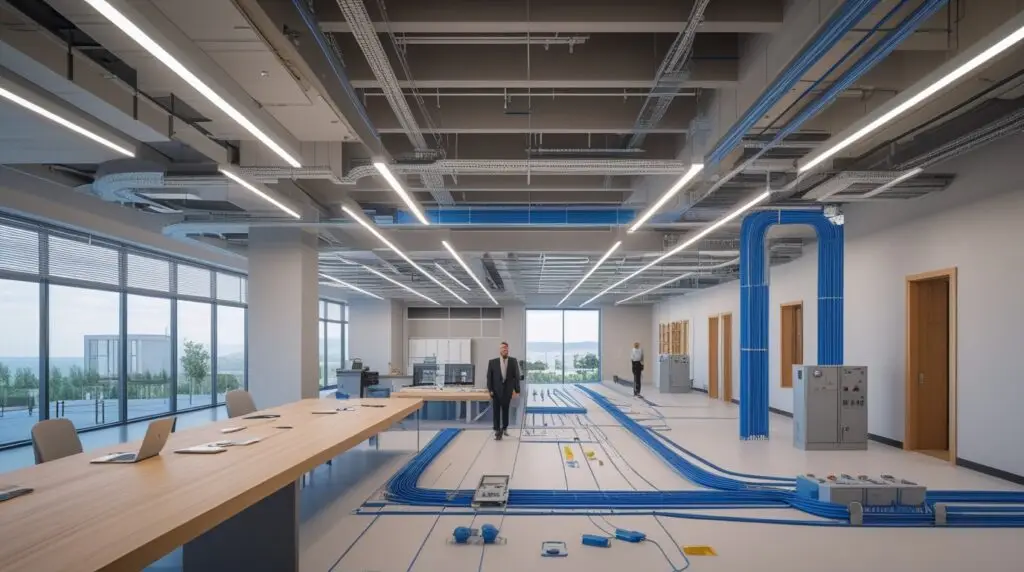
In today’s digital construction landscape, Building Information Modeling (BIM) has become a game-changer—especially for electrical engineering. At Mettler Design, we embrace BIM technology to create smarter, safer, and more efficient electrical systems for every project.
By integrating BIM for Electrical Engineering, designers and engineers can plan, visualize, and manage electrical systems in a virtual 3D environment long before construction begins. This not only improves design accuracy but also enhances collaboration and reduces costly rework.
What Is BIM for Electrical Engineering?
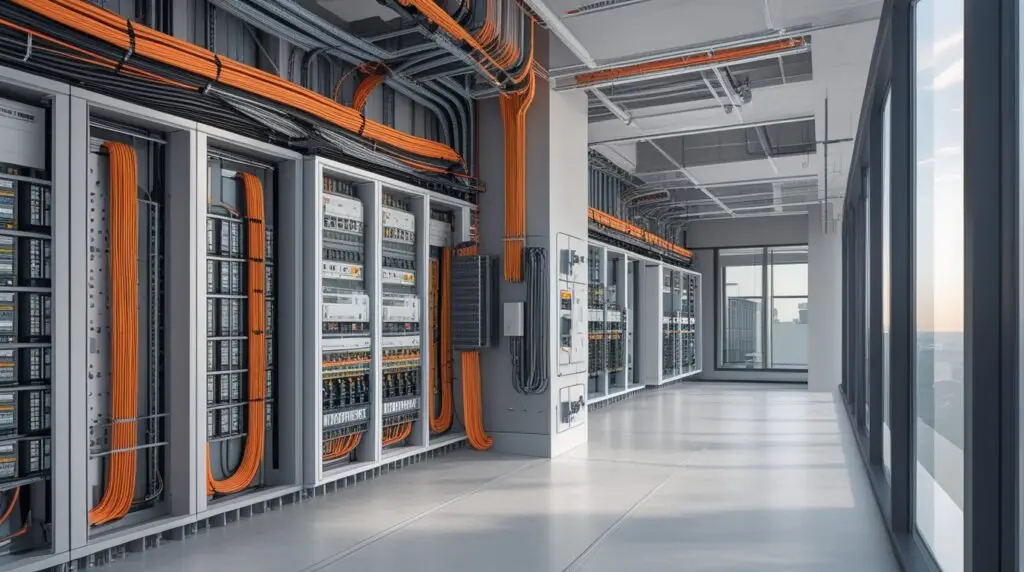
BIM for Electrical Engineering is an advanced, data-rich approach that enables engineers to design and manage electrical systems with precision. It goes beyond traditional 2D drawings by offering 3D intelligent models that include details like:
- Power distribution networks
- Lighting and wiring systems
- Cable routing and panel layouts
- Energy-efficient components
At Mettler Design, we use BIM to integrate these systems seamlessly with architectural and structural designs—ensuring every element of the electrical layout aligns perfectly with the building’s overall plan.
Why BIM Matters in Electrical Engineering
1. Improved Accuracy in Design
Traditional 2D plans often lead to misinterpretations. With BIM modeling, electrical engineers can visualize systems in a detailed 3D space. This level of precision minimizes design errors, enhances system efficiency, and ensures that every wire and conduit is placed correctly the first time.
2. Enhanced Collaboration Across Teams
BIM bridges the gap between disciplines. Electrical engineers can collaborate in real time with architects, structural, and mechanical teams. At Mettler Design, this integrated workflow helps prevent design clashes, streamlines communication, and improves coordination across the project lifecycle.
3. Better Planning and Coordination
With BIM for Electrical Engineering, project teams can coordinate electrical layouts with mechanical and plumbing systems. This holistic approach eliminates conflicts early in the design phase, improving the efficiency of both the design and construction stages.
4. Cost and Time Efficiency
Because BIM identifies design errors and spatial conflicts early, teams save time and money during construction. At Mettler Design, we’ve seen significant cost savings on projects through BIM-driven electrical design optimization.
5. Enhanced Visualization
BIM allows engineers and clients to visualize the electrical infrastructure in 3D. This makes it easier to identify potential issues and improve design quality before installation begins—reducing risk and ensuring long-term reliability.
Key Benefits of BIM for Electrical Engineering
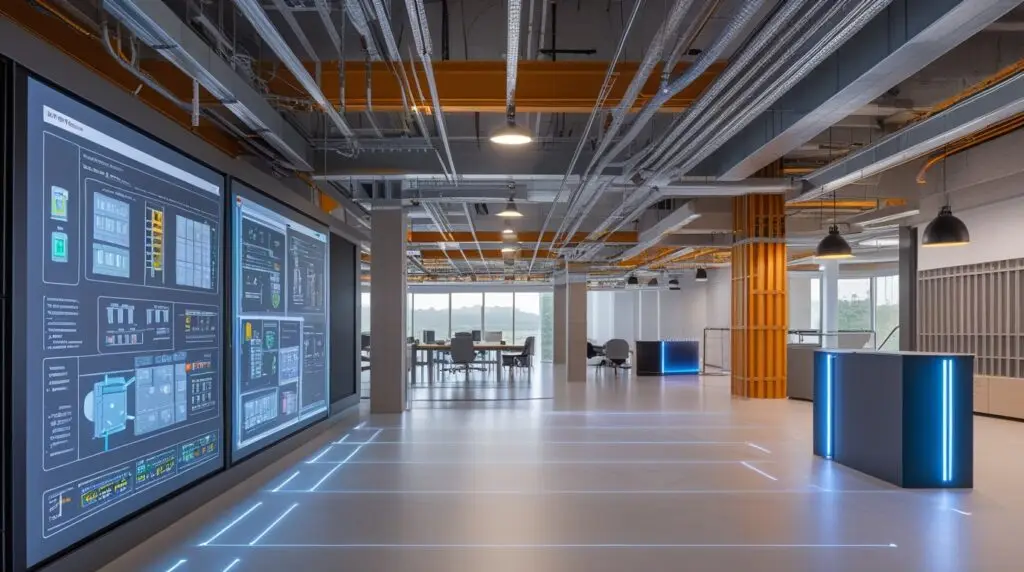
1. Clash Detection and Risk Reduction
Using BIM tools, engineers can detect potential clashes between electrical components and other systems. This proactive approach ensures safer designs and fewer on-site issues.
2. Sustainability and Energy Efficiency
At Mettler Design, sustainability is at the heart of our design philosophy. With BIM, we simulate system performance to design energy-efficient electrical layouts that align with green building standards and LEED certifications.
3. Data-Driven Decision Making
BIM centralizes all project data—load calculations, material specifications, and cost estimates—into a single digital model. This empowers engineers and clients to make data-backed decisions that improve design quality and reduce uncertainty.
4. Facility Management and Maintenance Optimization
BIM’s benefits don’t stop at construction. The same detailed 3D models can be used for facility management, enabling maintenance teams to easily locate electrical components, plan upgrades, and ensure long-term system performance.
How Mettler Design Leverages BIM for Electrical Engineering
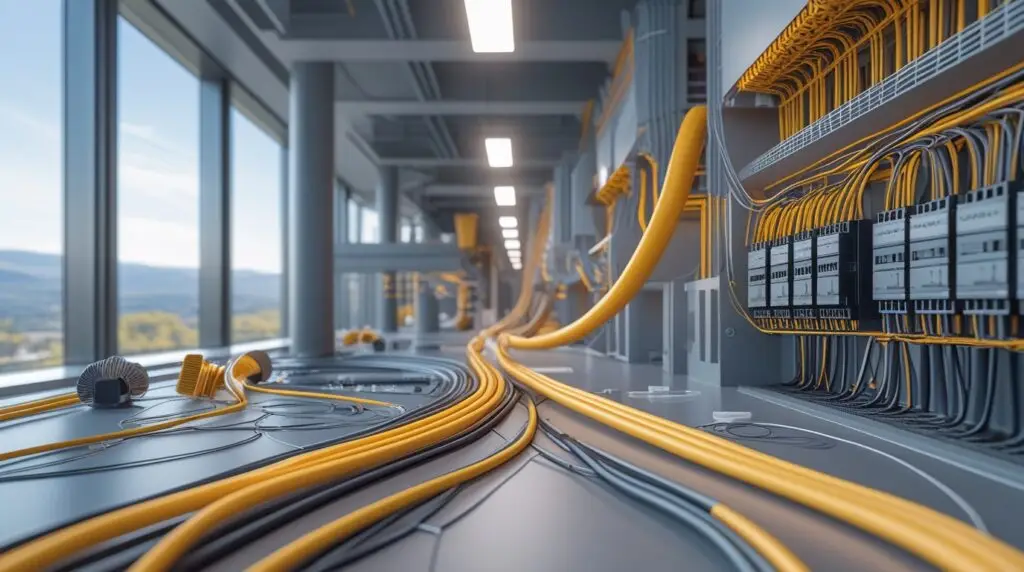
At Mettler Design, we integrate BIM into every stage of the electrical design process. Our team of experts uses advanced modeling tools to:
- Develop precise electrical layouts for residential, commercial, and industrial projects.
- Collaborate with architects and mechanical teams for coordinated project delivery.
- Use BIM simulations to enhance energy performance and sustainability.
- Ensure every project meets industry standards and client expectations.
By combining innovation with precision, we deliver BIM-powered electrical solutions that are both efficient and future-ready.
Conclusion: The Future of Electrical Engineering is BIM
The impact of BIM for Electrical Engineering is undeniable. From improved design accuracy and collaboration to better cost control and sustainability, BIM is revolutionizing how engineers plan and execute electrical systems.
At Mettler Design, we’re proud to lead this transformation—using BIM to create designs that are smarter, more efficient, and built to last. Whether you’re developing a new building or upgrading existing infrastructure, our BIM-based approach ensures your electrical systems are optimized for performance, safety, and sustainability.
