
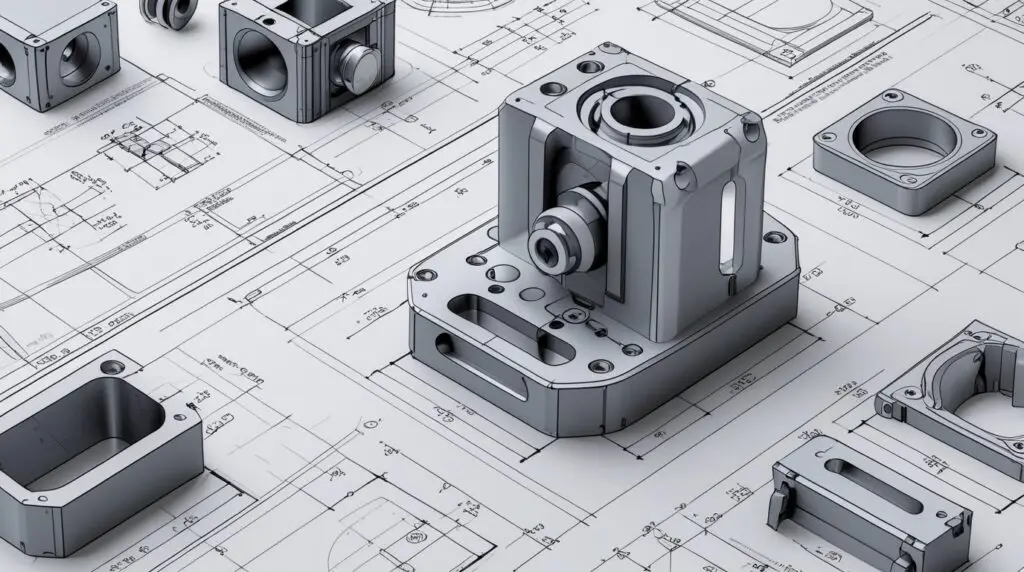
Mechanical engineer drawings form the foundation of every successful engineering and design project. At Mettler Design, these drawings act as detailed blueprints that bring mechanical concepts to life. They communicate precise specifications, measurements, and materials, ensuring that every component fits perfectly and performs efficiently.
These detailed technical illustrations not only guide manufacturers but also bridge the gap between design and production. By using standardized symbols, dimensions, and tolerances, mechanical drawings transform complex ideas into clear, actionable plans.
Key Components of Effective Mechanical Engineer Drawings
Creating a professional mechanical engineer drawing involves integrating several essential elements that guarantee accuracy and usability.
1. Title Block
A title block contains critical details such as the drawing title, author, date, scale, and document number. At Mettler Design, this section ensures traceability, clarity, and professional documentation across all projects.
2. Views and Projections
Mechanical components are presented through various views, including:
- Orthographic Projection – Displays top, front, and side views for precise interpretation.
- Isometric Projection – Offers a 3D visual perspective for better spatial understanding.
- Sectional Views – Reveal internal details by cutting through components.
3. Dimensions and Tolerances
Precision in dimensioning is vital. Accurate tolerances prevent assembly errors, ensuring components integrate seamlessly. Mettler Design’s mechanical engineering team emphasizes high-precision specifications to maintain superior quality control.
4. Materials and Specifications
Each drawing outlines the exact materials required for manufacturing. The right material selection enhances product durability, performance, and cost-efficiency — key priorities at Mettler Design.
5. Annotations and Symbols
Standardized notations like surface finish symbols, welding indicators, and reference marks eliminate confusion during manufacturing and promote universal understanding across teams.
Adhering to Industry Standards in Mechanical Engineer Drawings
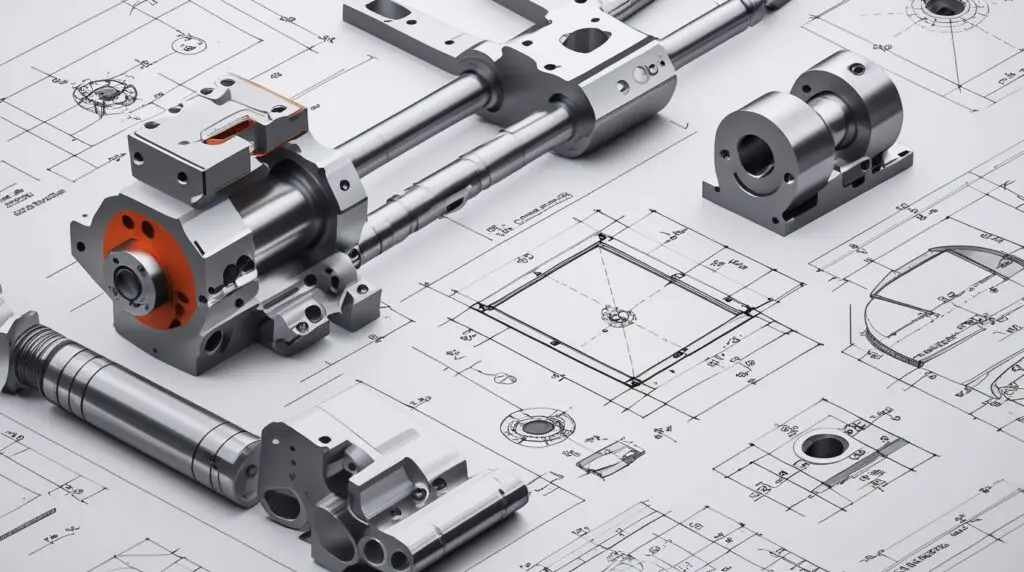
Consistency and reliability are ensured through adherence to globally recognized standards.
Mettler Design follows leading frameworks such as:
- ASME (American Society of Mechanical Engineers) – Defines tolerances and dimensioning protocols.
- ISO (International Organization for Standardization) – Promotes global compatibility in mechanical designs.
- GD&T (Geometric Dimensioning and Tolerancing) – Improves precision and reduces ambiguity in component relationships.
By following these standards, Mettler Design ensures every drawing meets international quality benchmarks.
Types of Mechanical Engineer Drawings Used in Design and Manufacturing
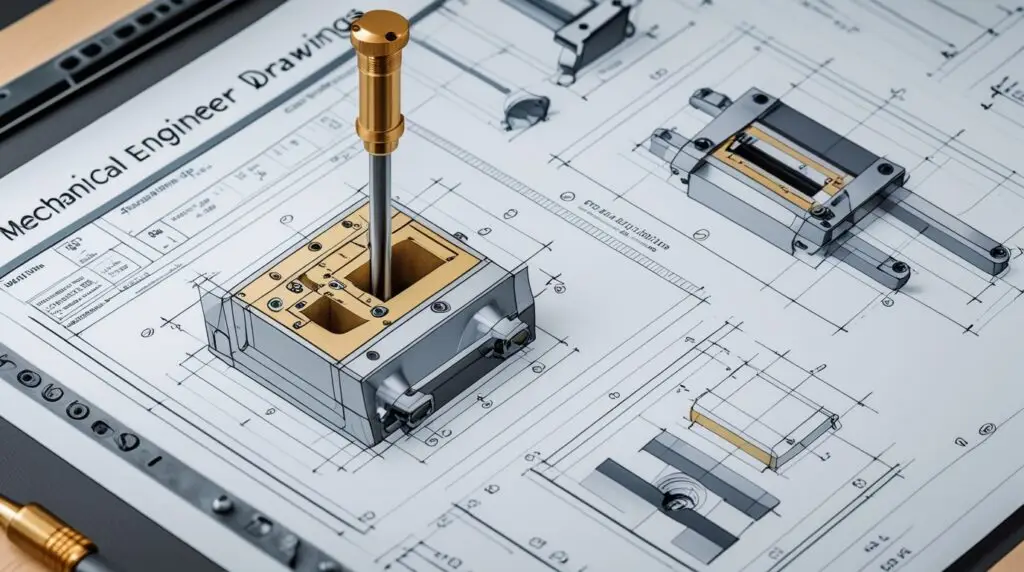
Different stages of product development require specific types of mechanical drawings.
1. Assembly Drawings
Depict how multiple parts fit together, including fastening and joining methods.
2. Part Drawings
Focus on individual components, showing exact dimensions, material data, and machining instructions.
3. Exploded Views
Illustrate how parts assemble and interact, making complex systems easier to visualize.
4. Schematic Drawings
Simplify electrical or hydraulic circuits, helping teams understand flow and connectivity within mechanical systems.
The Value of Mechanical Engineer Drawings in Outsourced Engineering
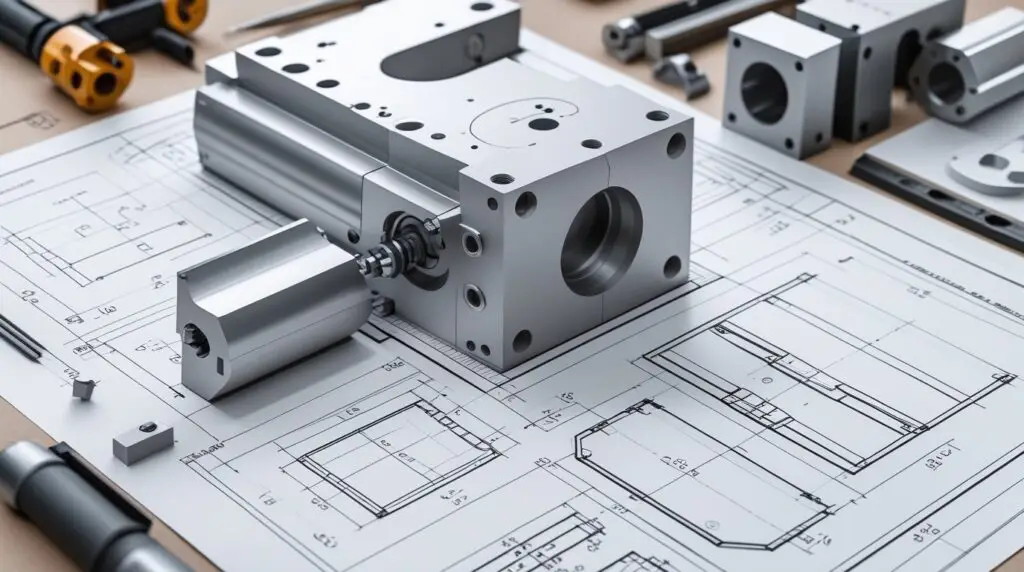
Many companies now outsource mechanical engineering design to trusted partners like Mettler Design. This approach offers significant benefits:
- Access to specialized expertise and advanced design tools
- Reduced operational costs without compromising quality
- Faster project turnaround times through efficient workflows
- Seamless collaboration between in-house teams and external designers
By outsourcing to experienced professionals, businesses can scale operations efficiently and maintain top-tier quality in every deliverable.
Common Challenges and How to Overcome Them
Even with advanced tools, challenges can arise during the drawing creation process:
- Ambiguities and Misinterpretations: Resolved through clear labeling, standardized symbols, and consistent formatting.
- Outdated Designs: Prevented by regularly updating designs with the latest CAD and engineering innovations.
- Compliance Issues: Avoided by maintaining strict adherence to ASME, ISO, and GD&T standards through ongoing team training.
The Future of Mechanical Engineer Drawings
As technology evolves, mechanical engineer drawings are transforming rapidly.
Some of the most impactful advancements include:
1. CAD (Computer-Aided Design) Integration
Modern CAD tools allow 3D modeling, automated dimensioning, and real-time collaboration — enhancing accuracy and design efficiency.
2. Augmented and Virtual Reality (AR/VR)
AR and VR tools are revolutionizing visualization by allowing interactive exploration of mechanical assemblies before production begins.
3. AI and Automation
AI-powered software is reducing manual effort, improving precision, and accelerating the mechanical drawing process.
Conclusion: Driving Innovation with Precision and Design Excellence
Mechanical engineer drawings are more than just blueprints — they’re the language of precision manufacturing.
At Mettler Design, we combine deep engineering expertise, cutting-edge tools, and strict adherence to global standards to produce detailed, accurate, and future-ready mechanical drawings.
By embracing modern design technologies and maintaining excellence in technical documentation, we help our clients achieve operational efficiency, cost savings, and superior product quality in every project.
