
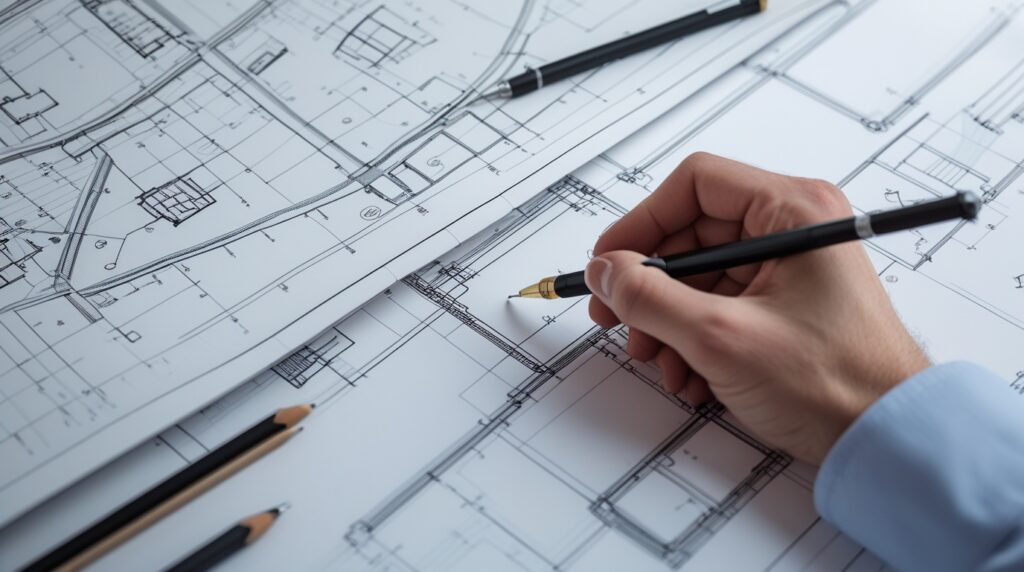
Visual communication shapes how ideas turn into reality. Just as a simple map explains directions better than paragraphs of text, engineering drawings communicate complex concepts through precise visuals. In today’s fast-paced world, engineering design and drafting services play a critical role in transforming ideas into buildable, manufacturable, and functional solutions. At Mettler Design, visual clarity, technical accuracy, and modern tools come together to support the built environment—from infrastructure to consumer products.
The Role of Engineering Design and Drafting Services
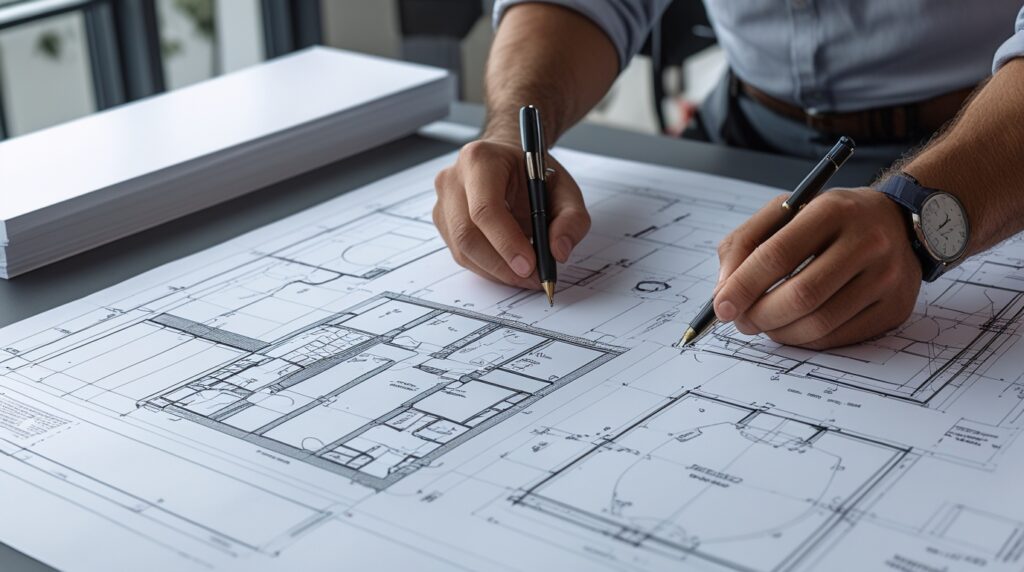
Engineering design and drafting services provide detailed technical drawings, plans, and models that guide construction, manufacturing, and assembly. These drawings do more than show shapes—they convey dimensions, specifications, materials, and tolerances.
Clear Communication Through Technical Drawings
Technical drawings communicate project intent more effectively than words alone. They reduce misunderstandings, streamline collaboration, and ensure that every stakeholder—from designers to manufacturers—works from the same source of truth. As a result, projects move faster and with fewer errors.
Supporting All Engineering Disciplines
Technical drafting is essential across civil, mechanical, electrical, and architectural engineering. Because of this, standardized engineering drawings help teams maintain consistency, accuracy, and compliance throughout the design lifecycle.
Why Studying Engineering Drawing Is Essential
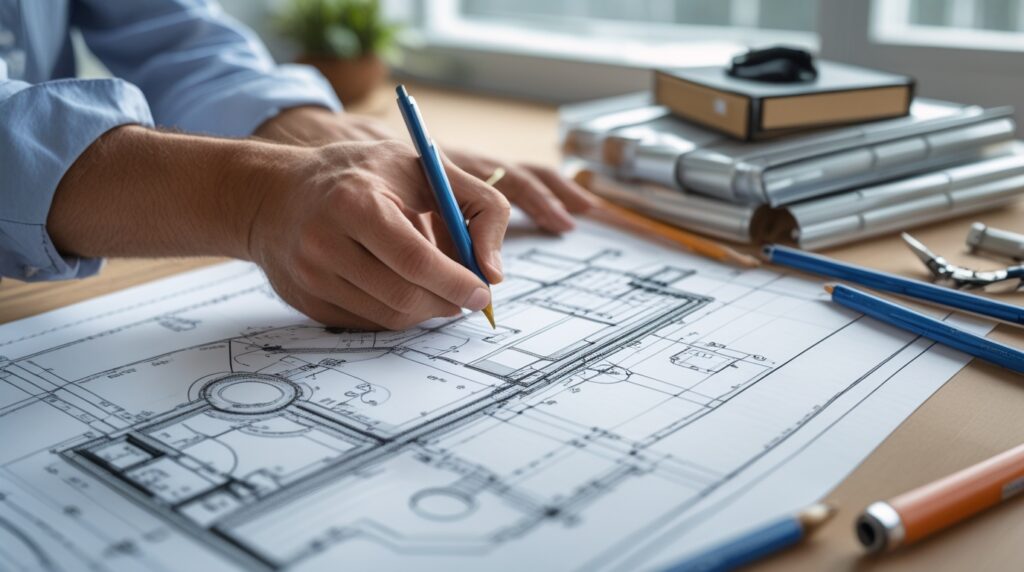
Engineering drawing strengthens both technical and practical skills. More importantly, it aligns design thinking with real-world execution.
Boosting Design Accuracy and Efficiency
By using modern drafting standards and tools, engineers detect weak points early. Consequently, they reduce costly revisions later in the project. Early document reviews improve quality while keeping budgets under control.
Enhancing Planning and Coordination
Engineering design and drafting services also support plant layouts, equipment planning, and process optimization. When teams share accurate drawings, coordination improves and decision-making becomes faster and more reliable.
The Shift Toward Computer-Generated Models
Modern engineering relies heavily on computer-generated models. These models improve flexibility, efficiency, and data management across projects.
Data-Driven Design Processes
With systematic digital workflows, designers separate tasks efficiently while maintaining continuity in data flow. This approach reduces workload, prevents errors, and saves valuable time. As a result, productivity increases across teams.
Early Problem Detection and Cost Control
Digital models allow teams to review and test designs before production. Therefore, issues are identified early, when changes are still affordable. This proactive approach protects both quality and profitability.
A Problem-Oriented Design Method
A strong design method focuses on solving real problems rather than relying on accidental solutions.
Structured and Repeatable Processes
An effective design method applies across disciplines and projects. It supports learning, improves collaboration, and ensures consistent outcomes. By using proven solutions for related tasks, teams avoid unnecessary risks and delays.
Integration With Modern Technologies
Today, engineering design increasingly integrates data systems, automation, and even machine learning. Understanding these technologies helps designers create smarter, more adaptable systems. Steps such as analysis, integration, representation, and systemic planning ensure that designs evolve and improve over time.
Programmatic Design and Value Analysis
Programmatic design begins by identifying the problem through market analysis and technical requirements. Objectives are then defined, solutions evaluated, and the best option selected.
Continuous Improvement Through Iteration
Design is rarely linear. Repeating the process throughout a system’s lifecycle improves performance and functionality. Over time, this iterative approach leads to better outcomes and higher value.
Reducing Costs Through Better Communication
Effective communication between departments lowers production costs. When sales, design, and manufacturing teams clearly understand requirements, materials, and timelines, decisions happen faster and mistakes decrease. Value analysis further helps eliminate unnecessary tasks and optimize resources.
Why Engineering Design and Drafting Services Matter Today
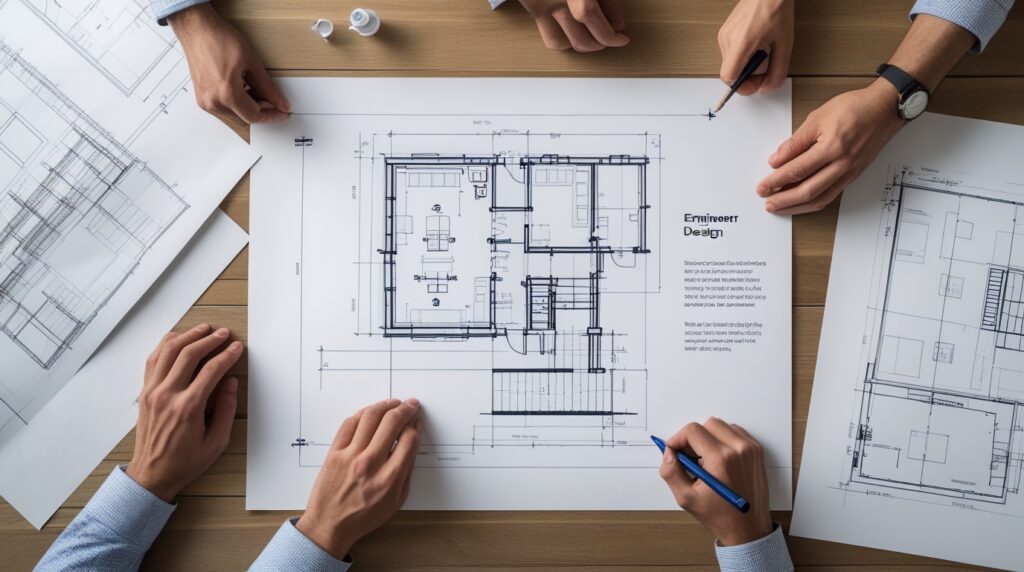
Engineering design and drafting services remain in high demand because they shape how products and infrastructure are created. They influence innovation, efficiency, and client satisfaction. For decades, these services have supported global industries—and they will continue to do so well into the future.
Mettler Design: Precision, Clarity, and Innovation
At Mettler Design, engineering design and drafting services focus on precision, collaboration, and modern workflows. By combining clear visual communication with advanced design methods, Mettler Design helps clients turn complex ideas into successful, build-ready solutions.
Conclusion: Designing Tomorrow With Confidence
Engineering design and drafting services are the backbone of successful projects. They improve communication, reduce costs, and support smarter decisions. With structured methods, digital tools, and a problem-oriented mindset, companies can design the future with confidence. Partnering with experts like Mettler Design ensures that every drawing, model, and plan delivers clarity, quality, and lasting value.
