
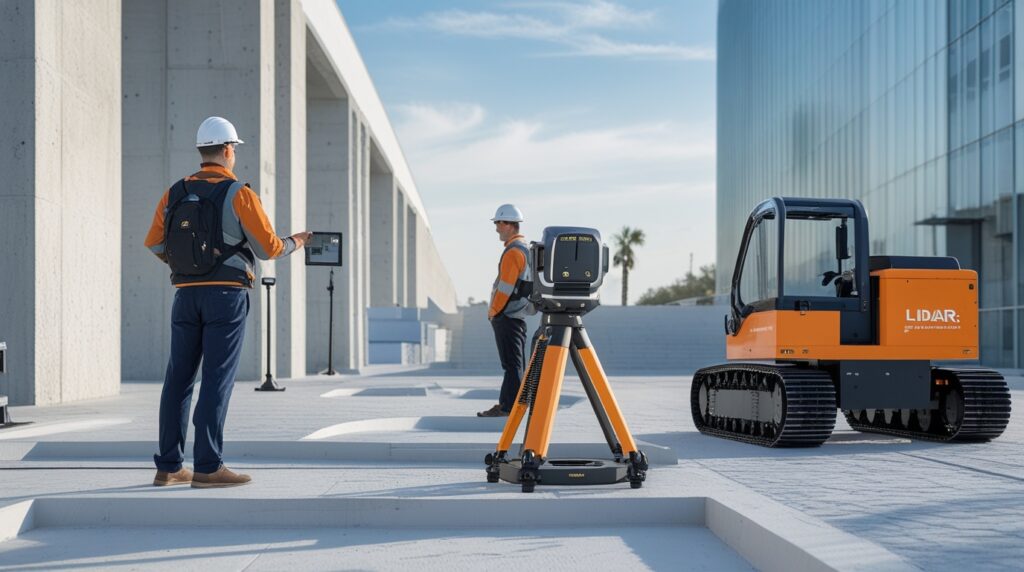
In today’s fast-paced AEC industry, success depends on precision, speed, and data integrity. As digital workflows replace traditional methods, one technology continues to stand out—3D LiDAR scanning.
At Mettler Design, Scan to BIM workflows rely on LiDAR technology to bridge the physical and digital worlds with unmatched accuracy. From complex renovations to large-scale infrastructure projects, LiDAR has become the foundation of reliable BIM modeling.
Understanding the Scan to BIM Process
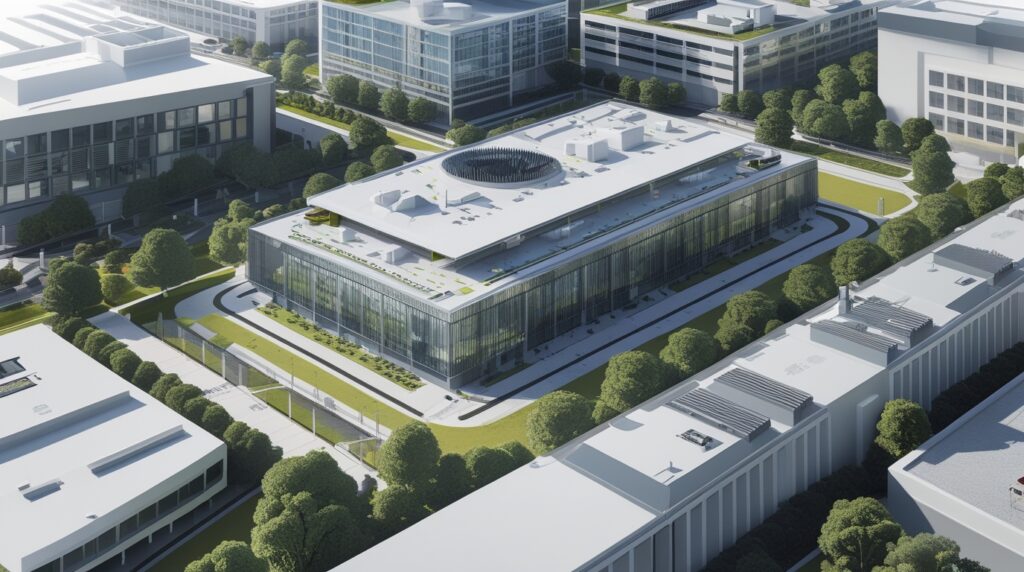
Before exploring why LiDAR is essential, it’s important to understand Scan to BIM.
What Is Scan to BIM?
Scan to BIM is the process of capturing existing site conditions using 3D laser scanning and converting that data into an intelligent Building Information Model.
- Scan: Captures real-world geometry using LiDAR technology
- BIM: Transforms scan data into an information-rich 3D model
As a result, architects, engineers, and facility managers gain access to a digital twin that supports design, construction, and long-term operations. Without high-precision scanning, however, an accurate BIM model simply isn’t possible.
What Is 3D LiDAR Scanning?
LiDAR (Light Detection and Ranging) uses laser pulses to measure distances between the scanner and surrounding objects. These measurements generate millions of points—known as a point cloud—that represent surfaces and geometries in three dimensions.
Types of LiDAR Scanning
- Terrestrial LiDAR: Ideal for interiors and architectural details
- Mobile LiDAR: Used for roads, corridors, and large sites
- Aerial LiDAR (Drone-Based): Best for landscapes, bridges, and tall structures
Because LiDAR delivers millimeter-level accuracy, it provides the most reliable foundation for BIM modeling.
Why 3D LiDAR Scanning Is the Backbone of Scan to BIM
1. Unmatched Accuracy and Detail
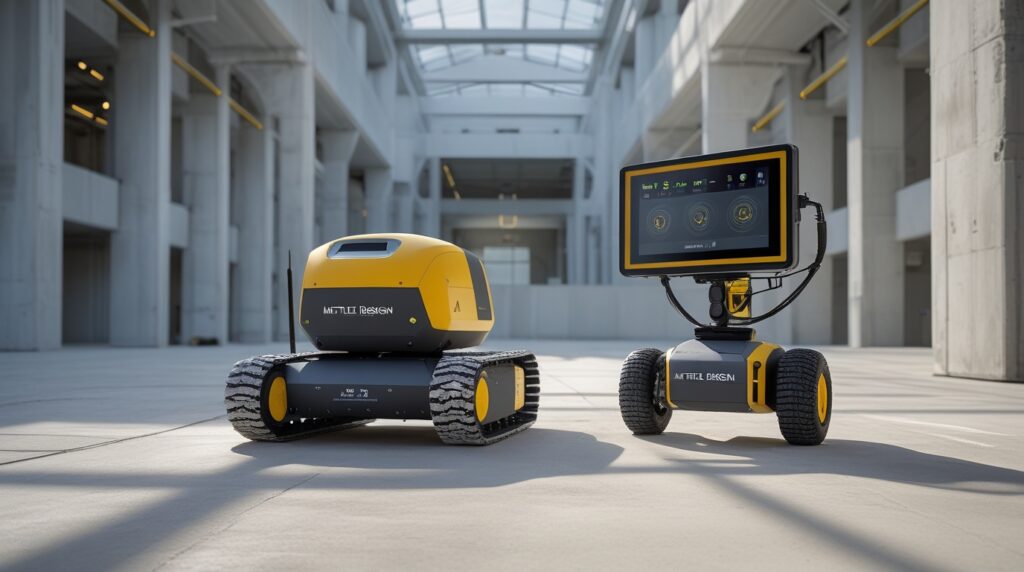
Accuracy defines the value of any BIM model. Unlike manual measurements, LiDAR captures millions of precise data points per second. Consequently, teams gain:
- Exact dimensions of complex geometries
- Consistent alignment with real-world conditions
- Reliable data for design and coordination
At Mettler Design, this accuracy ensures BIM models designers can trust from concept through construction.
2. Faster Data Collection and Project Turnaround
Traditional surveys often take weeks. In contrast, LiDAR scanning captures entire sites in hours.
Because of this speed, teams can move quickly through:
- Site analysis and validation
- BIM model development
- Design coordination and approvals
As a result, projects advance faster without sacrificing quality.
3. Minimizing Human Error
Manual tools introduce inconsistencies. Even small errors can lead to costly rework.
LiDAR scanning eliminates this risk by creating an objective, data-driven snapshot of existing conditions. This single source of truth drastically reduces:
- Design clashes
- Field conflicts
- Costly revisions
Therefore, teams experience smoother workflows and better outcomes.
4. Capturing Complex and Irregular Structures
Older buildings, industrial plants, and MEP-heavy environments present unique challenges. Fortunately, LiDAR excels where manual methods fail.
High-density point clouds capture:
- Irregular surfaces and curves
- Tight spaces and concealed elements
- Fine architectural details
Because of this, Mettler Design can recreate even the most complex structures with remarkable accuracy.
5. Seamless Integration with BIM Software
LiDAR point cloud data integrates directly with industry-standard BIM platforms, including:
- Autodesk ReCap
- Revit
- Navisworks
- Bentley Pointools
This seamless integration allows teams to:
- Build accurate as-built BIM models
- Perform clash detection
- Validate construction progress
Consequently, collaboration improves across all project stakeholders.
6. Enhancing Renovation, Restoration, and Facility Management
When working with existing buildings, outdated drawings create risk. LiDAR fills this gap perfectly.
With precise as-built models, teams can:
- Plan renovations confidently
- Preserve heritage structures accurately
- Manage facilities using reliable digital twins
At Mettler Design, these data-driven models support informed decisions throughout the building lifecycle.
7. Cost Efficiency and Long-Term ROI
While LiDAR technology requires an initial investment, the long-term benefits far outweigh the cost.
LiDAR helps organizations:
- Avoid repeat site visits
- Reduce material waste
- Prevent schedule delays
Over time, improved accuracy translates directly into lower project costs and higher ROI.
8. Enabling Digital Twins and Smart Infrastructure
LiDAR doesn’t stop at BIM—it enables digital twins.
By updating BIM models with current scan data, teams maintain real-time digital representations of physical assets. This capability supports:
- Predictive maintenance
- Smart facility management
- Data-driven decision-making
As smart infrastructure adoption grows, LiDAR-powered BIM becomes indispensable.
The Future of Scan to BIM with LiDAR Technology
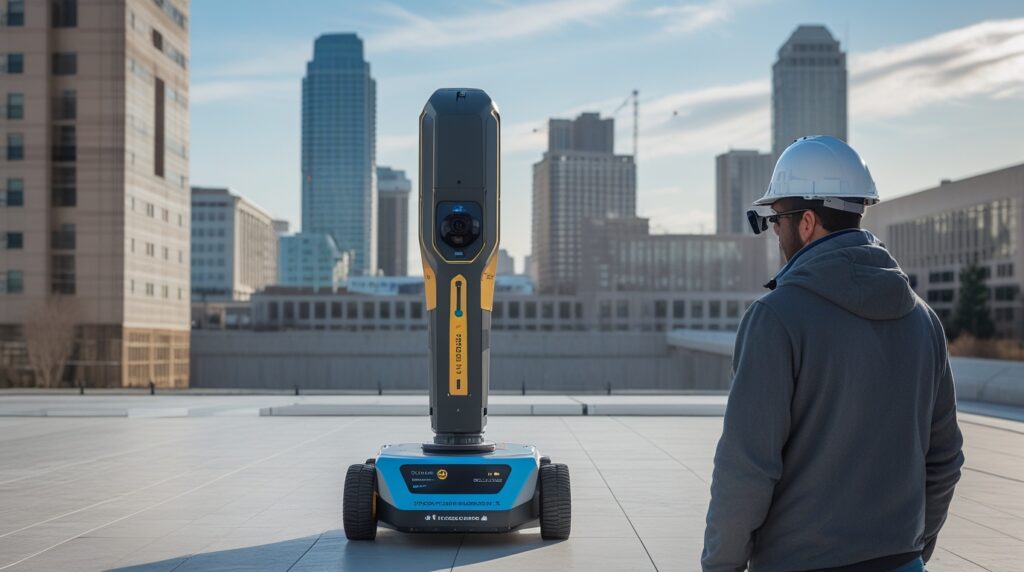
As the AEC industry embraces digital transformation, emerging technologies continue to enhance Scan to BIM workflows.
AI-driven point cloud processing, automated modeling, and cloud collaboration are making LiDAR-based BIM faster, smarter, and more scalable. Additionally, the rise of drones and mobile scanners is making high-quality reality capture more accessible than ever.
Why Choose Mettler Design for Scan to BIM Services?
Mettler Design delivers high-accuracy Scan to BIM solutions by combining advanced LiDAR data with expert BIM modeling. The team transforms complex point cloud datasets into reliable, information-rich BIM models that align precisely with real-world conditions.
Whether supporting renovations, retrofits, or large-scale developments, Mettler Design prioritizes:
- Precision
- Efficiency
- Seamless coordination
As a result, clients achieve smarter workflows, reduced risk, and better project outcomes.
Conclusion
3D LiDAR scanning has become the backbone of the Scan to BIM process, enabling accurate, efficient, and data-driven project delivery. From capturing real-world conditions to supporting digital twins, LiDAR ensures every BIM model reflects reality.
By leveraging this technology, Mettler Design continues to help AEC professionals build with confidence, clarity, and precision.
