
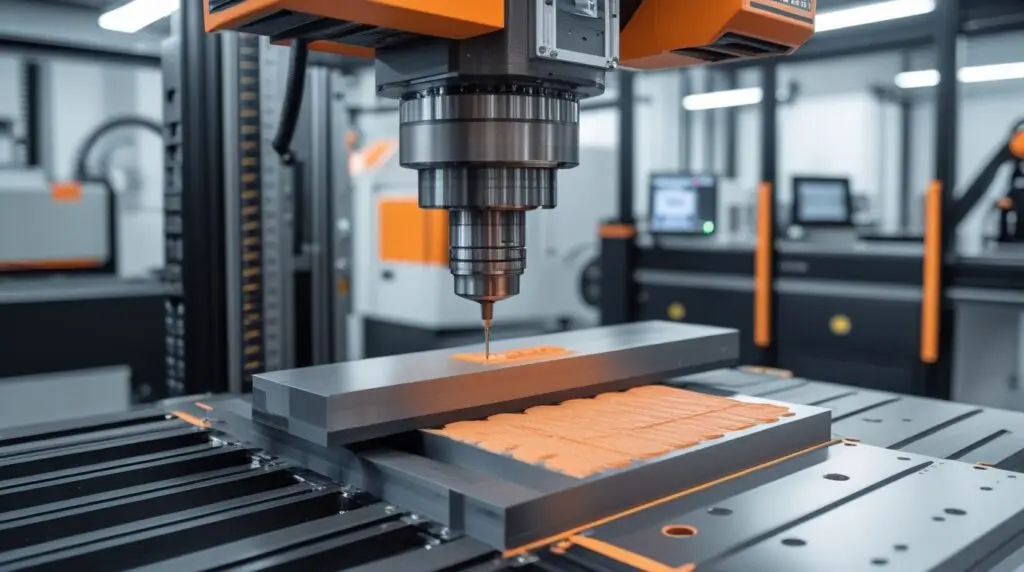
In today’s fast-paced innovation ecosystem, rapid prototyping has become the backbone of modern product development. Whether you’re a startup founder refining your first prototype or an enterprise engineer validating production designs, speed and precision are everything.
At Mettler Design, rapid prototyping bridges creativity and engineering. With expertise in CNC machining and 3D printing, they transform digital ideas into functional prototypes — quickly, accurately, and cost-effectively.
But which approach should you choose for your next project — CNC machining or 3D printing? Let’s explore.
What Is CNC Machining in Rapid Prototyping?
CNC (Computer Numerical Control) machining is a subtractive manufacturing process where material is removed from a solid block to create precise components.
At Mettler Design, CNC machining is known for:
- High Precision: Tolerances as tight as ±0.005 mm
- Versatility: Works with metals, plastics, and composites
- Excellent Surface Finish: Suitable for functional testing and aesthetic evaluation
- Scalability: Seamlessly transitions from prototype to production
Common CNC Machines for Prototyping
- CNC Mills
- CNC Lathes
- CNC Routers
- Multi-Axis Machines
These machines allow Mettler Design to handle everything from single-part prototypes to complex, multi-component assemblies with engineering-grade precision.
What Is 3D Printing in Rapid Prototyping?
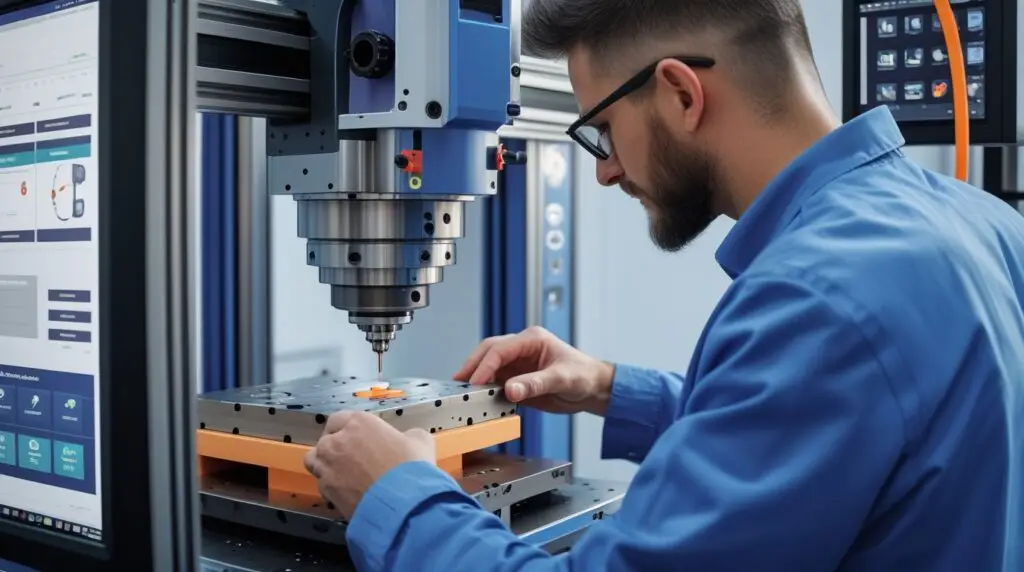
Unlike CNC machining, 3D printing is an additive process that builds parts layer by layer using thermoplastics, resins, or metal powders.
It starts from a digital 3D model — no tooling, no molds — making it ideal for quick and low-cost early-stage prototyping.
Key Benefits of 3D Printing
- Complex Geometry: Perfect for intricate internal passages and organic shapes
- No Tooling Costs: Reduces setup time and expense
- Speed: Rapid turnaround for concept validation
- Material Options: Primarily resins, thermoplastics, and select metals
Popular 3D Printing Technologies
- FDM (Fused Deposition Modeling)
- SLA (Stereolithography)
- SLS (Selective Laser Sintering)
- DMLS (Direct Metal Laser Sintering)
At Mettler Design, 3D printing accelerates design iteration — enabling engineers to visualize, test, and refine ideas before committing to expensive tooling.
CNC Machining vs 3D Printing: Understanding the Core Differences
| Feature | CNC Machining | 3D Printing |
|---|---|---|
| Process Type | Subtractive | Additive |
| Precision | Extremely High | Moderate |
| Material Range | Metals, plastics, composites | Mostly plastics/resins |
| Surface Finish | Excellent | Variable |
| Setup Cost | Moderate | Low |
| Speed | Slower for complex designs | Extremely fast for prototypes |
Both have distinct advantages, and the right choice depends on your project stage and performance needs.
When to Choose CNC Machining for Rapid Prototyping
Opt for CNC machining when:
- You need tight tolerances or engineering-grade accuracy
- The prototype requires metal strength or thermal resistance
- You plan to scale the same process for production
- Surface finish and mechanical testing are critical
At this stage, Mettler Design’s precision machining ensures your prototype behaves exactly like the final production part.
When to Choose 3D Printing for Rapid Prototyping
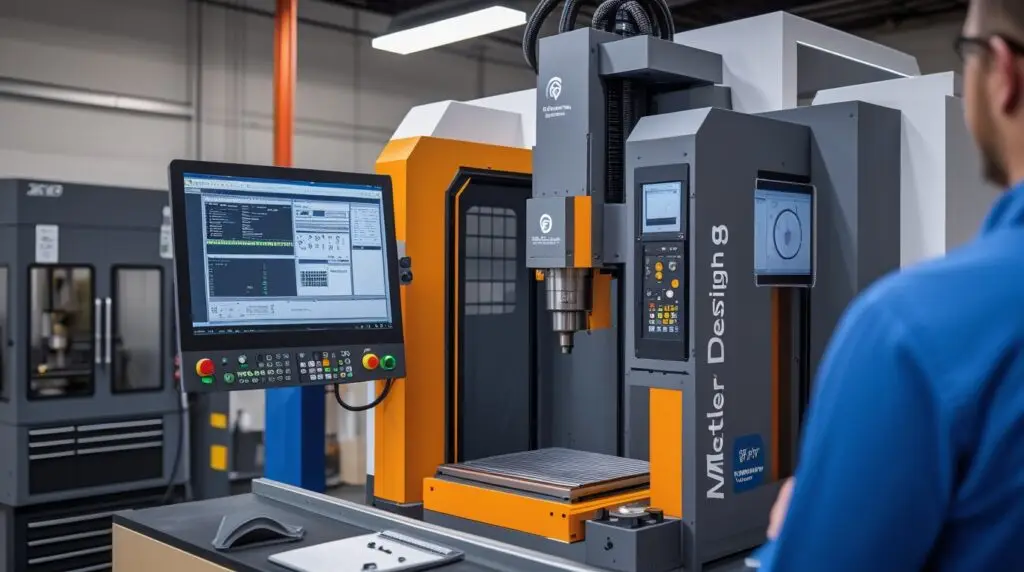
Use 3D printing when:
- You’re still in the early design stage and need quick iterations
- The prototype has complex internal geometries
- Material strength or longevity isn’t a top priority
- You’re testing form, fit, and basic functionality
At Mettler Design, additive manufacturing shines when speed and flexibility take precedence over absolute precision.
The Smart Approach: Combining CNC Machining and 3D Printing
In practice, there’s no single winner. Many companies — including Mettler Design’s clients — use both methods strategically.
Here’s how:
- Start with 3D printing for early validation and ergonomic testing.
- Move to CNC machining for final functional prototypes and pre-production units.
This hybrid approach delivers the best of both worlds — rapid feedback with production-grade performance.
Choosing the Right Rapid Prototyping Partner
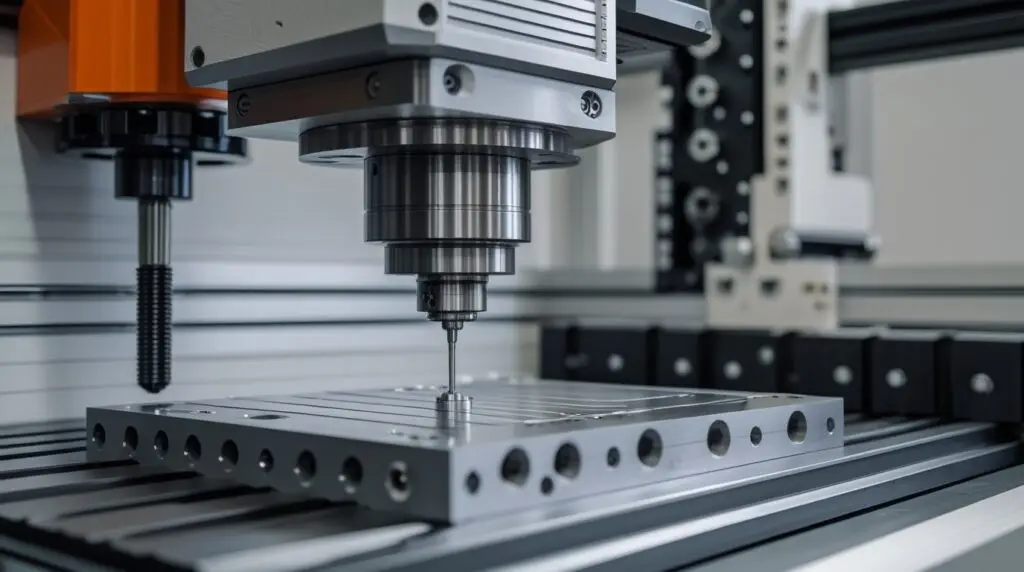
The true difference lies not just in the technology but in who operates it.
Mettler Design stands out with its end-to-end capabilities, including:
- Expert engineers and designers who understand product lifecycle development
- In-house CNC machining and 3D printing facilities for faster turnaround
- Support for industrial design, simulation, and production transition
- Proven track record across industries — from automotive to consumer electronics
By partnering with Mettler Design, you ensure your project benefits from precision engineering, cost efficiency, and speed to market.
Final Verdict: CNC Machining vs 3D Printing for Rapid Prototyping
There’s no one-size-fits-all answer. CNC machining delivers strength and precision, while 3D printing provides speed and design freedom.
The most successful companies leverage both technologies to reduce risk, shorten development cycles, and achieve faster innovation.
So, whether you’re prototyping a new consumer device or refining a mechanical assembly, Mettler Design is your trusted partner in rapid prototyping and product development.
Ready to Accelerate Your Product Journey?
Visit Mettler Design to explore their rapid prototyping services and see how their CNC machining and 3D printing expertise can transform your concept into a market-ready product.
