
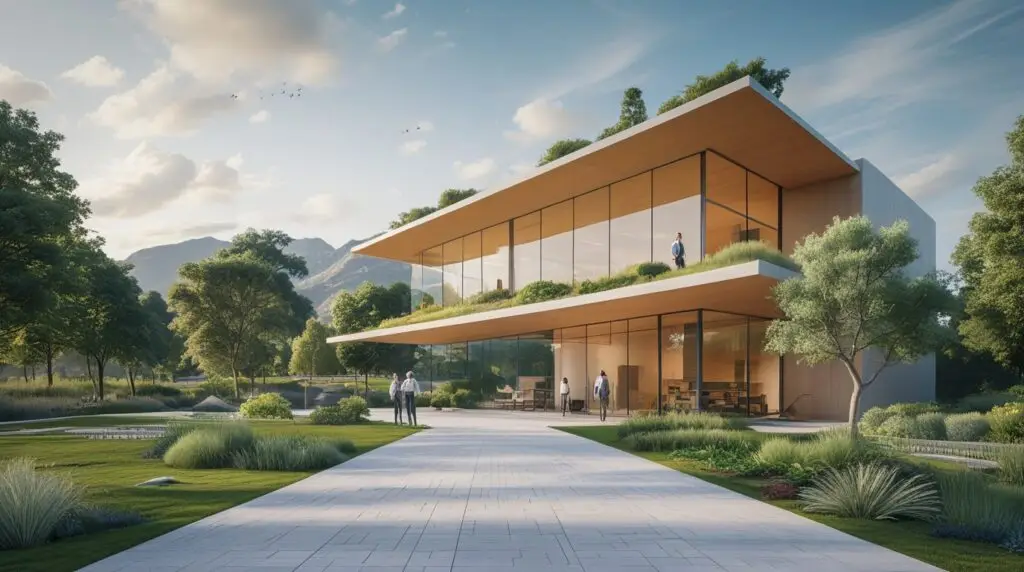
The Architecture, Engineering, and Construction (AEC) industry stands at a defining moment. As climate change accelerates, urban populations grow, and natural resources shrink, sustainability has shifted from a competitive advantage to an absolute necessity. Consequently, firms that fail to innovate risk falling behind both environmentally and economically.
At Mettler Design, sustainability-driven innovation lies at the core of forward-thinking design solutions. One of the most transformative approaches shaping this future is biomimicry in sustainable construction—a design philosophy that learns directly from nature’s time-tested systems.
Rather than working against the environment, biomimicry encourages architects and engineers to collaborate with it. As a result, buildings become more efficient, resilient, and environmentally responsible. In this blog, we explore how biomimicry is revolutionizing the AEC industry and why it represents a critical pathway toward a greener future.
What Is Biomimicry in Sustainable Construction?
Biomimicry is the practice of studying natural systems, structures, and processes and applying those insights to human design challenges. In construction, this means developing buildings that function like living organisms—efficient, adaptive, and resource-conscious.
Instead of forcing mechanical solutions, biomimicry in sustainable construction embraces passive strategies inspired by ecosystems that have evolved over millions of years. Therefore, buildings consume less energy, generate less waste, and integrate seamlessly with their surroundings.
At Mettler Design, this philosophy aligns with advanced engineering workflows, digital modeling, and sustainable material selection, enabling smarter design decisions from concept to execution.
Energy Efficiency Through Biomimetic Design
Learning from Nature’s Energy Optimization
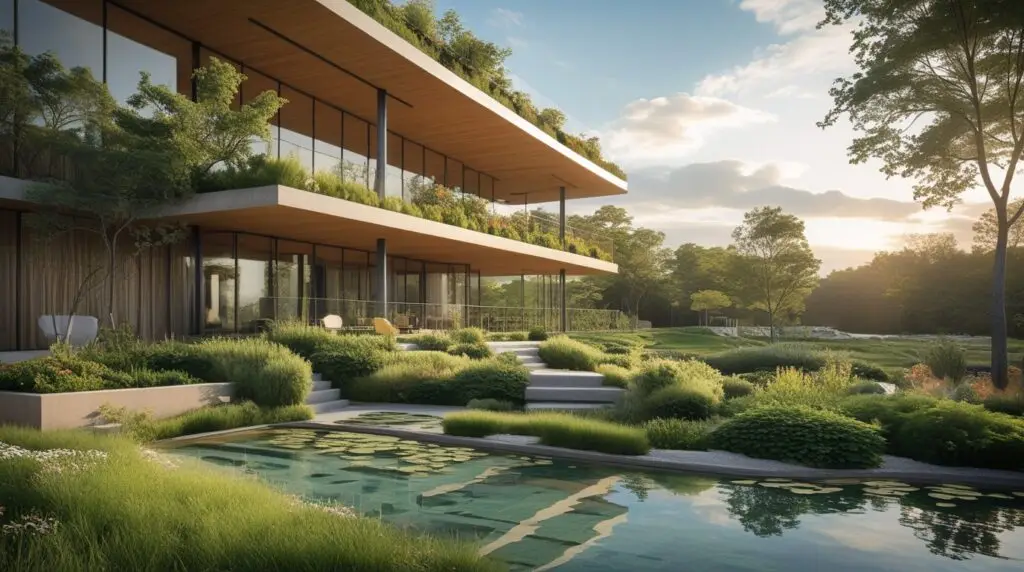
Nature wastes nothing. Every organism uses energy efficiently to survive. Similarly, biomimetic buildings reduce energy demand while maintaining occupant comfort.
A landmark example is the Eastgate Centre in Zimbabwe, which draws inspiration from termite mounds. These natural structures regulate temperature through passive airflow systems. As a result, the building maintains comfortable indoor temperatures without relying heavily on HVAC systems.
Biomimicry Strategies for Energy-Efficient Buildings
Biomimicry in sustainable construction supports energy optimization through:
- Passive cooling and ventilation systems
- Green roofs and living walls inspired by forest ecosystems
- Daylighting strategies modeled after plant phototropism
Consequently, these solutions reduce operational costs and lower carbon emissions—key objectives for sustainable AEC projects led by firms like Mettler Design.
Sustainable Materials and Nature-Inspired Construction Methods
Biomimetic Materials That Reduce Environmental Impact
Material selection plays a critical role in sustainable construction. Biomimicry encourages materials that mimic nature’s strength, flexibility, and self-healing properties.
For example:
- Bioconcrete, infused with bacteria, heals its own cracks when exposed to moisture
- Spider silk-inspired composites offer exceptional tensile strength with minimal material usage
Because these materials last longer and require less maintenance, they significantly reduce lifecycle costs and environmental impact.
How Mettler Design Supports Smarter Material Choices
Through advanced simulation and engineering analysis, Mettler Design helps integrate innovative, nature-inspired materials into real-world construction workflows. As a result, projects achieve both structural performance and sustainability goals.
Water Conservation and Biomimicry in Building Design
Nature-Inspired Water Management Systems
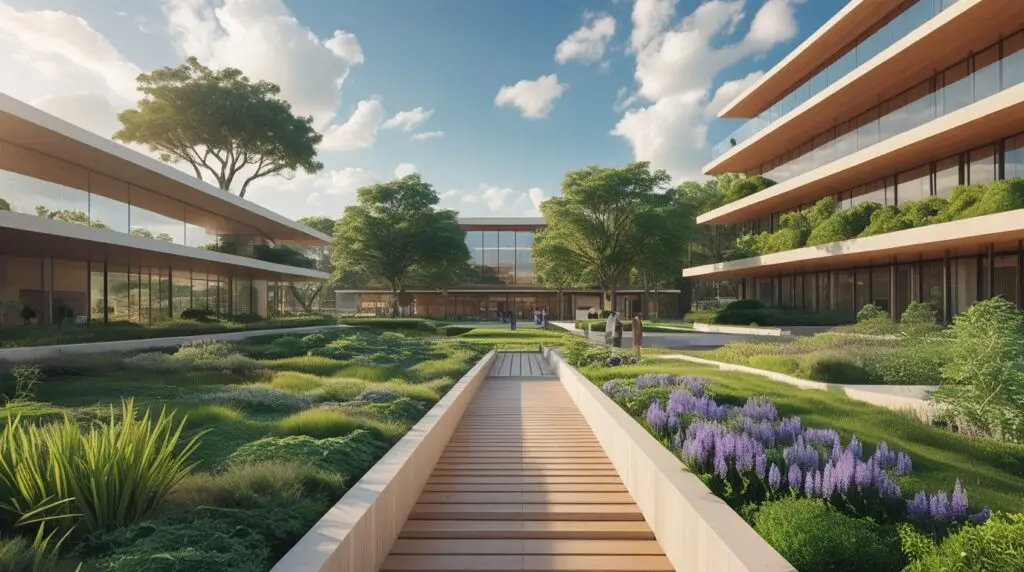
Water scarcity continues to challenge urban development worldwide. Fortunately, nature provides elegant solutions for capturing, storing, and conserving water.
One compelling example is fog-harvesting technology, inspired by the Namib Desert beetle. This insect collects moisture from the air using its textured shell. Similarly, buildings can harvest atmospheric water in arid environments.
Biomimicry Applications for Water Efficiency
Key water-saving strategies include:
- Fog-harvesting façades
- Lotus leaf-inspired self-cleaning surfaces
- Rainwater collection systems modeled after leaf structures
Therefore, biomimicry in sustainable construction significantly reduces water consumption while lowering maintenance demands.
Resilient and Adaptive Buildings Inspired by Nature
Designing for Climate Resilience
As extreme weather events increase, buildings must become more resilient. Nature offers proven strategies for adaptation and survival under harsh conditions.
For instance:
- Shark skin-inspired surfaces resist bacteria and reduce friction
- Tree-like structural systems provide flexibility and strength during seismic activity
Because these designs adapt rather than resist environmental forces, they enhance long-term building performance.
Adaptive Engineering with Mettler Design
By combining biomimicry with digital engineering tools, Mettler Design enables adaptive structures that respond dynamically to environmental stresses, ensuring safety, durability, and sustainability.
Biodiversity and Ecosystem Restoration in Urban Design
Beyond Buildings: Designing for Living Cities
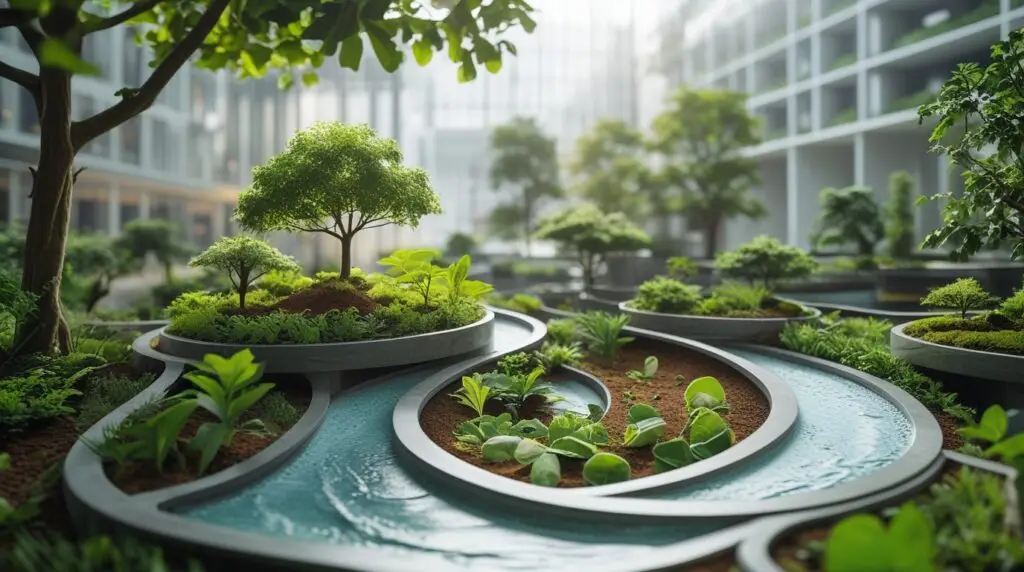
Biomimicry goes beyond individual structures. It encourages cities to function like ecosystems, where every element contributes to environmental balance.
Integrating green spaces, vertical gardens, and biophilic design helps:
- Improve air quality
- Support urban biodiversity
- Enhance mental well-being and productivity
As a result, occupants experience healthier, more inspiring environments.
Mettler Design’s Holistic Sustainability Approach
Mettler Design recognizes that sustainable construction must address both human needs and ecological health. Therefore, biomimetic principles guide projects toward harmonious coexistence between the built and natural environments.
Challenges in Implementing Biomimicry in the AEC Industry
Despite its benefits, biomimicry in sustainable construction faces adoption challenges:
- High upfront research and development costs
- Limited awareness among construction professionals
- Regulatory hurdles for new materials and systems
However, these challenges are steadily diminishing.
Technology Is Bridging the Gap
Advancements in AI-driven design, digital simulation, and smart materials make biomimicry more accessible than ever. Additionally, green building incentives and sustainability regulations encourage wider adoption.
Consequently, firms like Mettler Design are well-positioned to lead this transition.
The Future of Biomimicry in Sustainable Construction
Key Trends Shaping the Future
As sustainability and technology converge, biomimicry will play a central role in the AEC industry’s evolution.
Key trends include:
AI-Driven Biomimetic Design
AI algorithms can analyze natural patterns and generate optimized building forms, accelerating sustainable innovation.
3D-Printed Biomimetic Materials
Additive manufacturing enables lightweight, high-strength materials inspired by bones, shells, and plant structures.
Circular Economy Integration
Biomimicry supports circular design principles that minimize waste and maximize resource efficiency.
Together, these trends redefine how buildings are conceived, designed, and constructed.
Conclusion: Embracing Biomimicry for a Greener AEC Future
The AEC industry must act decisively to address global sustainability challenges. Biomimicry in sustainable construction offers a powerful blueprint—one that nature has refined over millions of years.
By embracing nature-inspired design, firms can deliver buildings that are energy-efficient, resilient, and environmentally responsible. At Mettler Design, this approach aligns seamlessly with innovative engineering, digital tools, and sustainability-focused workflows.
Now more than ever, the path forward is clear. Nature has already solved many of the challenges we face. It is time for the AEC industry to learn, adapt, and build a future that works in harmony with the planet.
