
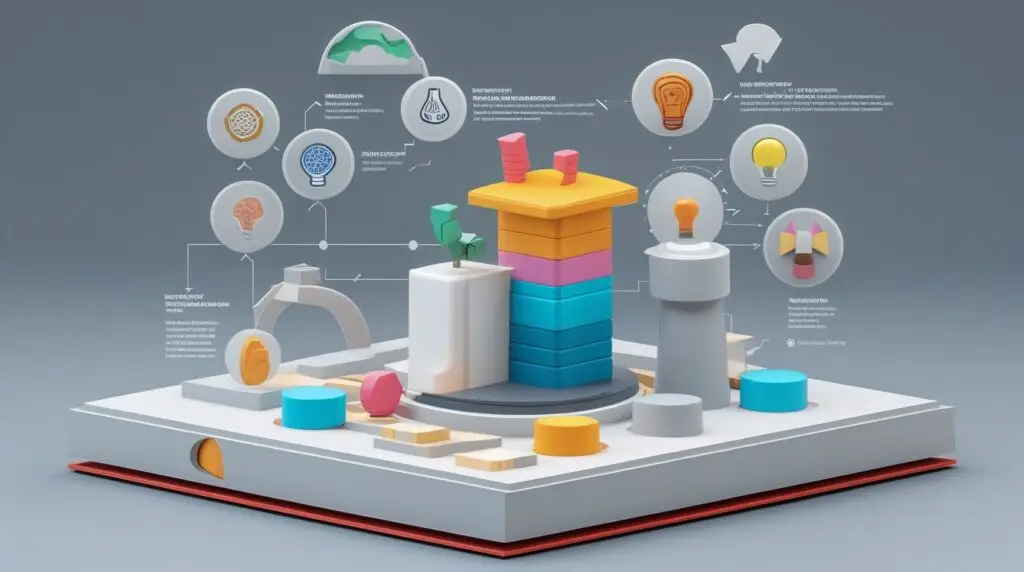
Engineering design does not exist in nature—it is created by humans to solve human problems. Every engineered product, system, or structure starts as an idea and evolves through planning, testing, and refinement. However, without a structured approach, even the most innovative ideas can fail. That is why learning how to improve your engineering design process is critical for long-term success.
At Mettler Design, engineering design is approached as a thoughtful, iterative, and data-driven process. Rather than rushing to solutions, engineers focus on understanding the problem, analyzing multiple options, and refining designs using advanced tools such as 3D CAD and rapid prototyping. As a result, projects achieve higher efficiency, accuracy, and usability.
In this blog, we explore a proven five-step framework to improve your engineering design process, while highlighting how modern engineering teams, like those at Mettler Design, turn complex challenges into successful, real-world solutions.
Why Improving Your Engineering Design Process Matters
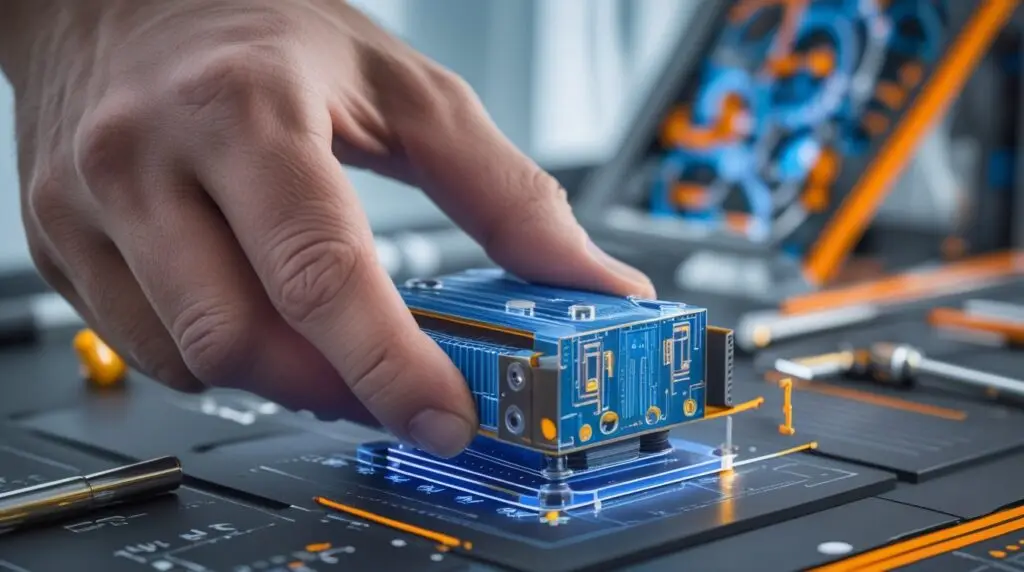
Engineering design directly impacts functionality, cost, safety, and user satisfaction. When the process lacks clarity, teams often face redesigns, wasted resources, and missed deadlines. Therefore, improving the engineering design process helps reduce errors while increasing innovation.
Moreover, design problems are rarely straightforward. They evolve as new constraints emerge. Because of this, engineers must move back and forth between steps, testing assumptions and refining ideas. A structured yet flexible process ensures adaptability without compromising quality.
At Mettler Design, the engineering design process always keeps human needs at the center. Whether designing mechanical components, industrial products, or digital models, the goal remains the same: deliver value through precision and planning.
Step 1: Define the Problem Clearly
Understanding Human Needs First
Every engineering project begins with a problem, but that problem is not always obvious. In many cases, the need emerges from market demand, safety concerns, or efficiency gaps. Therefore, clearly defining the problem becomes the foundation of the entire design process.
Engineers at Mettler Design focus on identifying:
- What went wrong
- Why the problem exists
- Who the solution is for
By answering these questions early, teams avoid unnecessary redesigns later.
Why Problem Definition Drives Success
When engineers skip this step, they often design solutions for the wrong problem. However, when the problem is well defined, every design decision aligns with a clear objective. This approach ensures that the final product meets real-world needs such as comfort, safety, usability, or performance.
Step 2: Gather Relevant and Accurate Information
Research Before You Design
To improve your engineering design process, you must gather relevant information before creating solutions. This includes technical data, material constraints, environmental conditions, and user requirements.
Skipping this step leads to flawed assumptions. On the other hand, thorough research enables engineers to design with confidence.
At Mettler Design, teams analyze:
- Existing systems and failures
- Industry standards
- Manufacturing limitations
- User interaction data
Avoiding Costly Design Errors
Accurate information reduces trial-and-error later in the process. As a result, engineers save time while improving reliability. Information also guides modeling accuracy, which becomes essential in later stages of analysis and testing.
Step 3: Generate Multiple Design Solutions
Creativity Through Collaboration
Contrary to popular belief, creativity does not depend solely on intelligence. Instead, creativity grows through collaboration, experimentation, and learning from mistakes. Therefore, generating multiple solutions is a vital step to improve your engineering design process.
Engineering teams at Mettler Design brainstorm multiple concepts rather than settling on the first idea. This method encourages innovation while reducing risk.
Why Multiple Solutions Matter
Each design option comes with strengths and limitations. By comparing alternatives, engineers gain insights into:
- Feasibility
- Cost efficiency
- Performance trade-offs
Moreover, teamwork allows diverse perspectives to shape stronger solutions.
Step 4: Analyze and Select the Best Solution
Applying Engineering Analysis
Once multiple solutions exist, analysis becomes critical. Engineers must evaluate designs based on performance, ergonomics, safety, and manufacturability.
At this stage, engineers at Mettler Design often apply:
- Ergonomic studies
- Human-machine interaction analysis
- Engineering models and simulations
Ergonomics plays a key role because many designs interact directly with humans. Therefore, understanding how users engage with machines improves usability and reduces errors.
The Role of Engineering Models
Engineering models help predict performance before production. However, accuracy is essential. An inaccurate model can mislead decision-making just as much as having no model at all.
Designers must:
- Validate assumptions
- Understand model limitations
- Adjust designs accordingly
Step 5: Implement, Test, and Improve the Design
Prototyping and Testing
The final step to improve your engineering design process involves implementation. This stage includes prototyping, testing, development, and production.
Prototypes represent the first fully functional version of a design. Although they may not be perfect, they allow engineers to test designs under real conditions.
At Mettler Design, prototyping ensures:
- Design feasibility
- Performance validation
- Early error detection
Traditional vs. Modern Design Approaches
Traditional construction follows a sequential approach, where each step finishes before the next begins. However, modern engineering relies on iterative development.
With advanced 3D CAD technologies and rapid prototyping, engineers can:
- Make last-minute changes
- Simulate engineering processes
- Reduce material waste
Rapid prototyping allows teams to compile parts from different locations into near-final products. Although prototypes differ from final products, they provide reliable insights for improvement.
The Role of Technology in Improving Engineering Design

3D CAD and Rapid Prototyping
Modern tools significantly enhance the engineering design process. Rapid prototyping enables faster validation, while 3D CAD allows precise modeling and simulation.
At Mettler Design, engineers use these tools to:
- Test designs efficiently
- Reduce production risks
- Improve collaboration across teams
Rapid prototyping should not be an afterthought. Instead, it should serve as an early step in every production process.
Algorithms and Data-Driven Design Decisions
How Algorithms Improve Efficiency
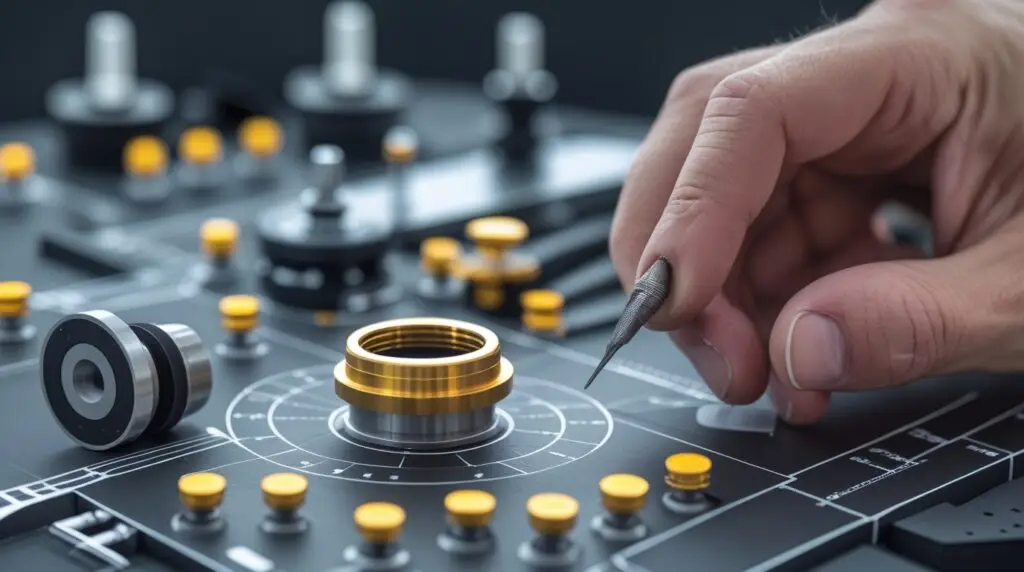
Algorithms help designers manage large volumes of data efficiently. They assist in compiling information into structured formats, which improves decision-making.
However, algorithms do not replace engineering judgment. Designers must still:
- Confirm model accuracy
- Choose the correct design concept
- Balance conflicting design goals
Managing Diversity and Complexity
In real-world engineering, diversity in materials, sizes, and assembly conditions can affect functionality. Therefore, proper design must anticipate variation.
Engineers at Mettler Design recognize these challenges early. By accounting for diversity, they prevent functional failures and ensure product reliability.
Conclusion: Build Better Designs with a Structured Process
To improve your engineering design process, engineers must balance creativity with structure. By defining the problem, gathering accurate information, generating multiple solutions, analyzing options, and implementing tested designs, teams achieve better outcomes.
At Mettler Design, this disciplined yet flexible approach drives innovation while reducing risk. Combined with modern technologies such as rapid prototyping and 3D CAD, engineering teams can deliver efficient, human-centered solutions in today’s complex design landscape.
By continuously refining your process, you not only build better products—you build smarter, more sustainable engineering solutions for the future. If you are looking for such services, consider giving us a ping using the contact page.
