
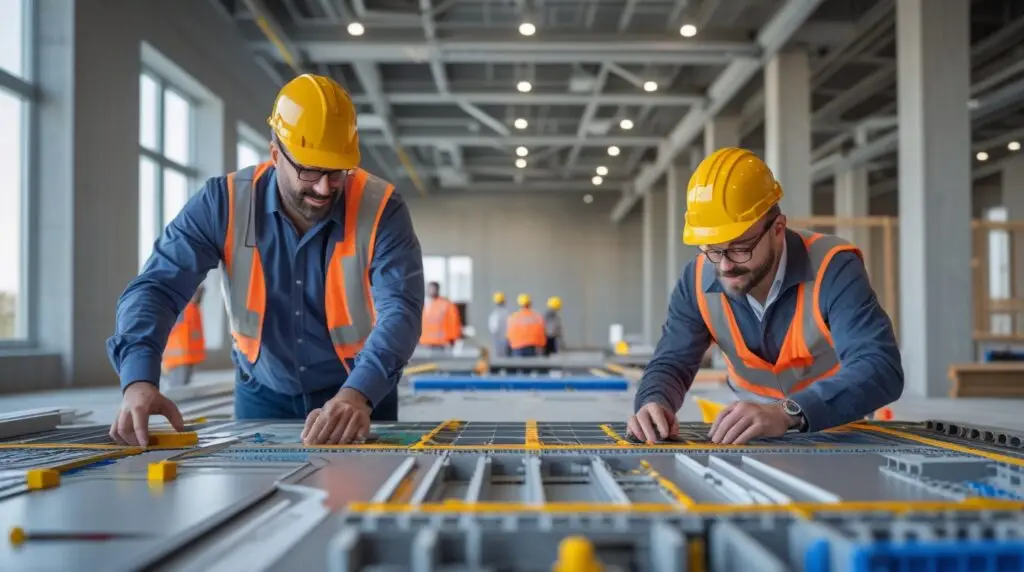
Controlling construction costs remains one of the biggest challenges for developers, contractors, and engineers. However, BIM for construction cost control has changed how projects are designed, planned, and delivered. At Mettler Design, BIM is not just a tool—it is a strategic process that improves efficiency, enhances collaboration, and significantly reduces overall project costs.
What Is BIM and Why It Matters for Cost Control
Building Information Modeling (BIM) is a digital process that integrates design, engineering, and construction data into a centralized model. As a result, all stakeholders work with accurate, up-to-date information. Instead of reacting to issues on-site, teams can solve problems early, which directly reduces unnecessary expenses.
Moreover, BIM allows construction engineers to improve design efficiency, while contractors can manage design execution more effectively. This combined approach leads to lower lifetime costs for property development.
How BIM Improves Collaboration and Reduces Errors
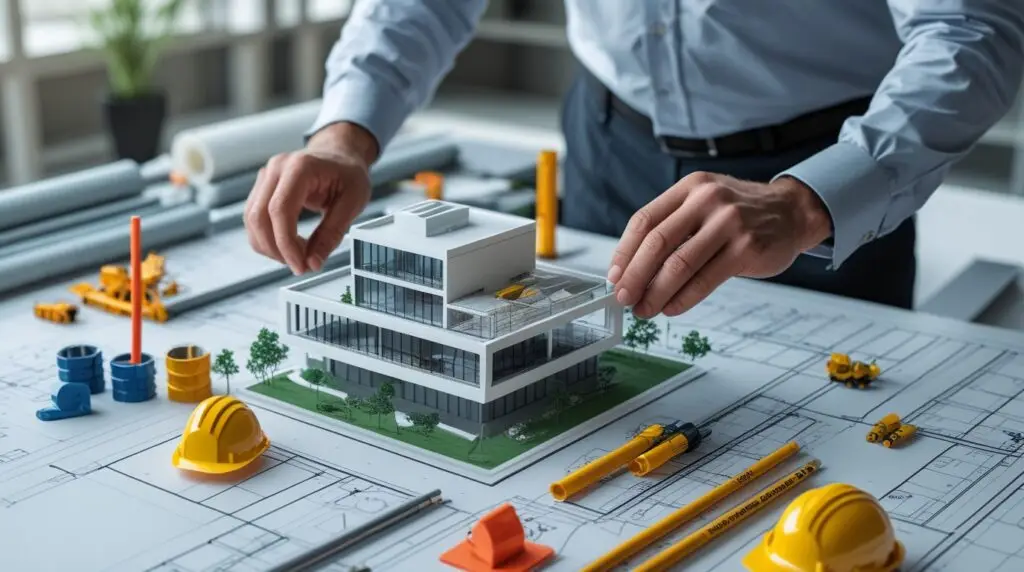
Centralized Data and Seamless Coordination
BIM brings architects, engineers, and contractors together on one platform. Because everyone accesses the same data, communication improves and misunderstandings decrease. Consequently, teams avoid duplicated work and costly revisions.
Clash Detection Before Construction
With BIM, coordination issues and clashes are identified during the design phase. Since problems are resolved before site work begins, projects avoid last-minute changes, rework, and delays. This proactive planning saves both time and money.
BIM Saves Time and Construction Costs
Smarter Planning and Scheduling
BIM enables accurate planning based on labor, materials, and cost factors. At the same time, it highlights potential risks and unexpected expenses early. Therefore, project managers can make informed decisions without disrupting timelines.
Reduced Design Changes
When designers update the BIM model, changes automatically reflect across all drawings and documents. As a result, teams eliminate costly redesigns and ensure consistency throughout the project lifecycle.
Model-Based Cost Estimation and Resource Optimization
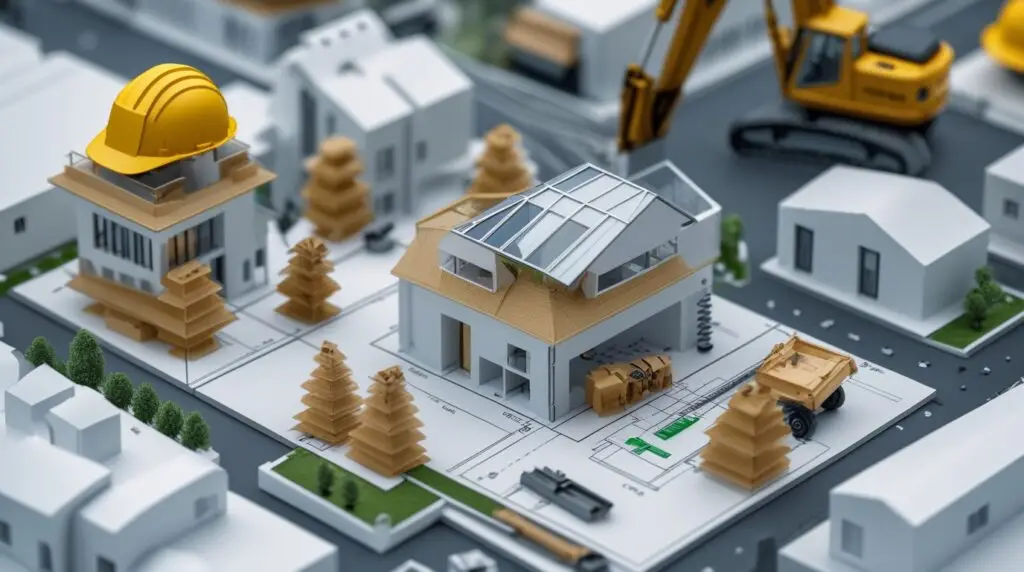
BIM provides reliable cost estimates during the early planning stages. This allows organizations to allocate budgets wisely while assessing risks more effectively. In addition, precise material quantities ensure that resources arrive only when needed. This approach reduces material waste, storage costs, and unnecessary financial commitments.
At Mettler Design, model-based cost estimation helps clients maintain full financial control while improving construction accuracy.
BIM Enables Prefabrication and Efficiency
BIM supports prefabrication by integrating architectural and construction data. Through this approach, companies reduce land use, labor costs, construction time, and material waste. Consequently, prefabrication driven by BIM leads to faster project delivery and improved cost efficiency.
Creating Safer and More Cost-Effective Construction Sites
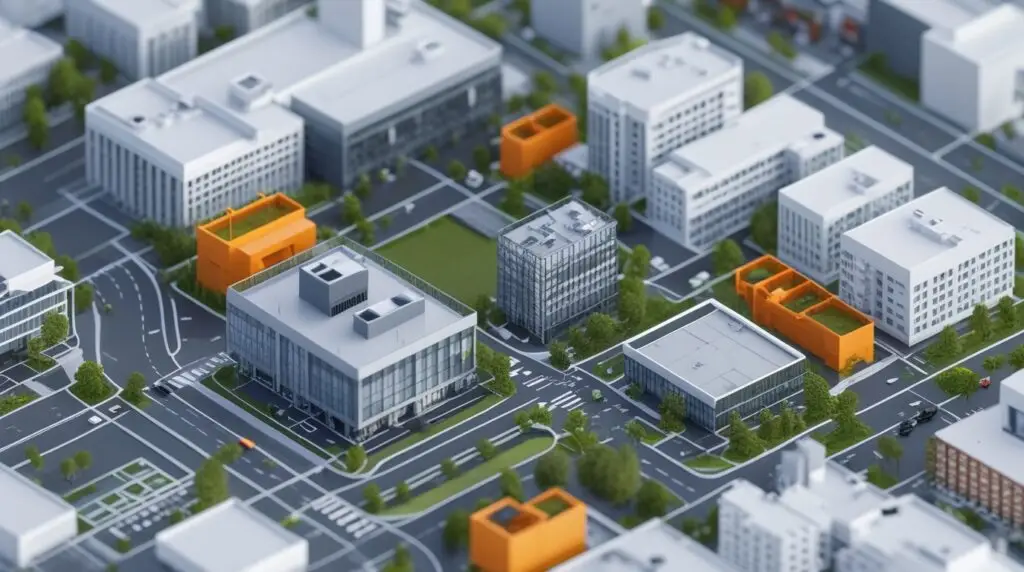
Safety directly impacts project costs. BIM helps identify potential safety risks during the design stage by visualizing construction processes in advance. Because teams plan safer workflows early, accidents and delays decrease. This not only protects workers but also prevents costly disruptions.
The Future of BIM and Cost Control
Advanced BIM levels, especially Level III BIM, promise even greater cost savings. By combining data into a single, centralized model, teams reduce fragmentation and dramatically minimize clashes. As BIM technology continues to evolve, construction cost control will become even more precise and predictable.
Conclusion: BIM as a Cost-Control Strategy at Mettler Design
BIM is no longer optional—it is essential for controlled construction costs. From collaboration and clash detection to cost estimation and safety planning, BIM for construction cost control delivers measurable value at every stage. At Mettler Design, BIM-driven workflows ensure efficient design, reduced risk, and long-term cost savings for clients.
By investing in BIM today, construction companies can build smarter, safer, and more cost-effective projects for the future. If you are looking for such services, visit our contact page, and book an appointment
