
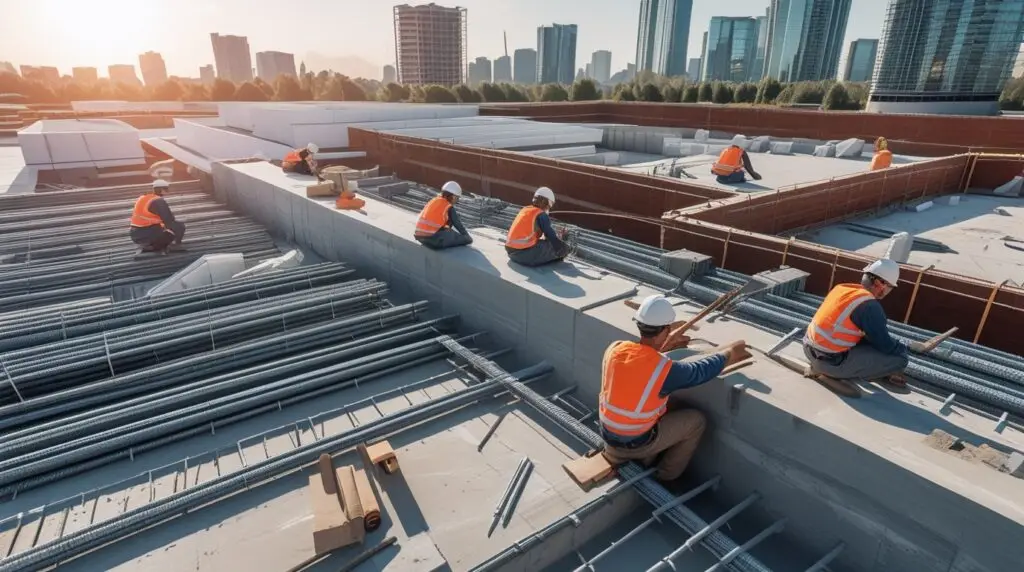
The AEC industry continues to face growing challenges, especially financial constraints and tight delivery schedules. As projects become more complex, firms demand faster, more accurate, and data-driven workflows. Traditionally, CAD supported this growth by replacing manual paper drawings. However, today, CAD alone no longer meets modern project demands. Therefore, BIM-based workflows have emerged as the smarter alternative.
At Mettler Design, advanced BIM-based rebar detailing services help AEC firms transition smoothly from traditional CAD to intelligent, collaborative BIM processes.
Challenges of Traditional CAD for Structural and Rebar Detailing
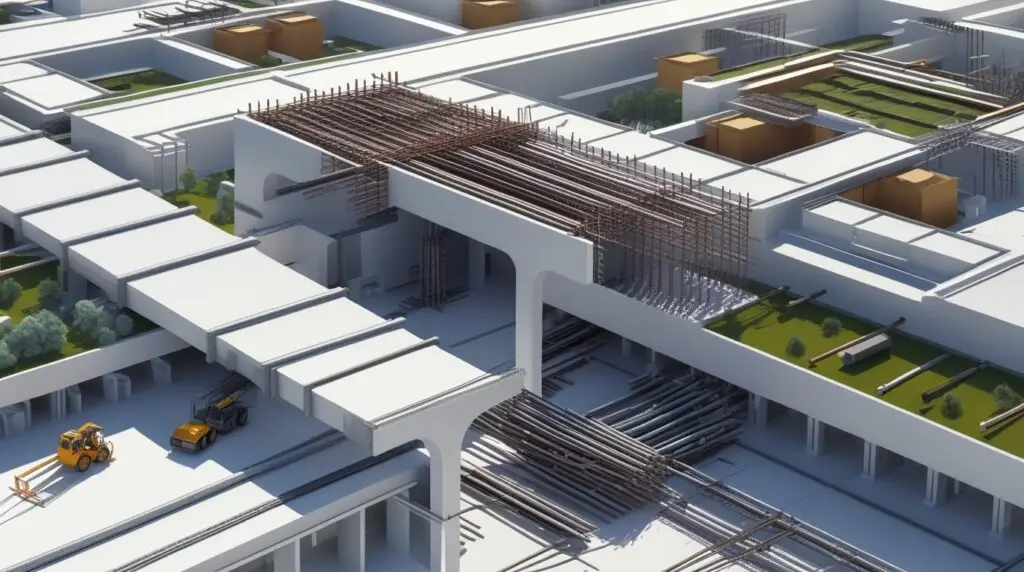
Although CAD tools played a vital role in the industry’s evolution, they now struggle with complex structural detailing.
Overloading of Information
As project size increases, CAD drawings often become overloaded and fragmented. Consequently, design clarity suffers, and budget estimates become misleadingly high.
Lack of Design Intent
Fabricators and contractors need tools that guide how to design, build, and install components. However, CAD focuses mainly on drafting, not decision-making or constructability.
As a result, teams spend more time resolving errors instead of delivering value.
Why BIM Is Essential for Modern Rebar Detailing
BIM shifts the industry from isolated drawings to a single, intelligent data model. More importantly, BIM introduces the 4D (time), 5D (cost), and 6D (lifecycle) dimensions, which dramatically improve project outcomes.
Centralized Data for Better Collaboration
BIM allows all stakeholders to access one master database. Therefore, when one team member updates a model, everyone sees the change instantly. This approach eliminates version conflicts and manual tracking.
Seamless Integration with Engineering and Codes
Engineers gain deeper insight into structural behavior while designing. In addition, BIM tools integrate easily with analysis software and local building codes, ensuring compliant and efficient designs.
At Mettler Design, BIM workflows empower teams to collaborate faster while maintaining engineering accuracy.
BIM-Based Rebar Detailing Services: Key Benefits
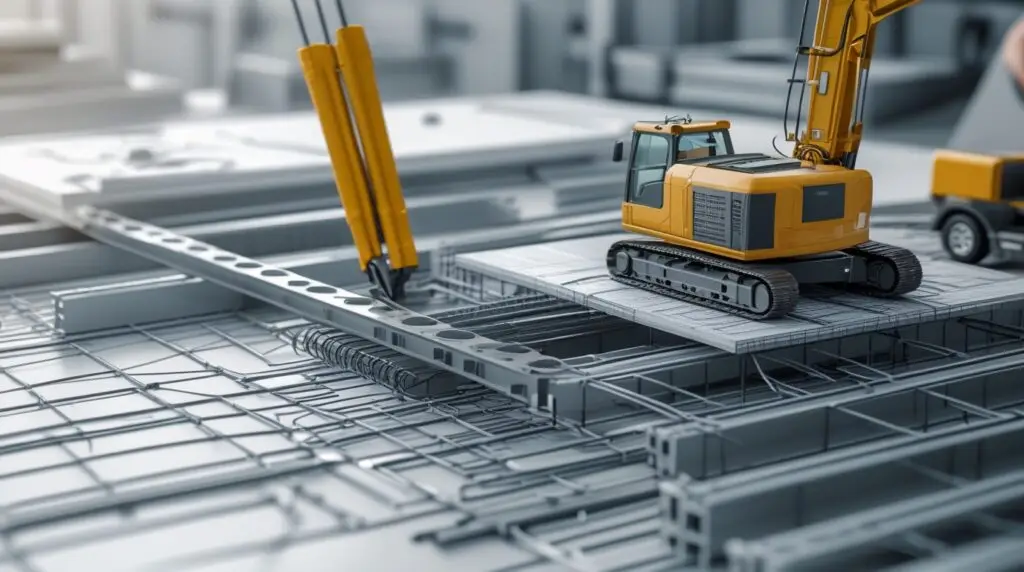
1. Three-Dimensional Visualization
BIM replaces traditional 2D drawings with accurate 3D rebar models. As a result, contractors gain better visualization on-site, reducing misunderstandings and rework.
2. Precision and High-Quality Output
When designs achieve millimeter-level accuracy, teams deliver rebar details to contractors well before construction begins. Consequently, structural elements meet quality expectations consistently.
3. Complete Structural Analysis
BIM supports comprehensive analysis that considers present conditions and future projections. Therefore, stakeholders can evaluate risks, performance, and long-term value more effectively.
4. Cost Accuracy and Quantity Takeoffs
BIM enables precise quantity extraction and cost estimation. This accuracy supports competitive bidding, better planning, and improved financial control.
5. Project Control and Tracking
With BIM-based rebar modeling, teams track every rebar component throughout the project lifecycle. Hence, project managers maintain full control over schedules and resources.
Revit and Advanced BIM Tools for Rebar Modeling
Modern BIM authoring tools, such as Revit, include powerful rebar modeling features unavailable in traditional CAD software. These tools allow designers to manage design changes precisely and adapt quickly to evolving project requirements.
Moreover, automated detailing and intelligent data updates free up valuable time. Designers can then focus on optimization rather than repetitive drafting tasks.
How BIM Improves Efficiency Across the AEC Lifecycle
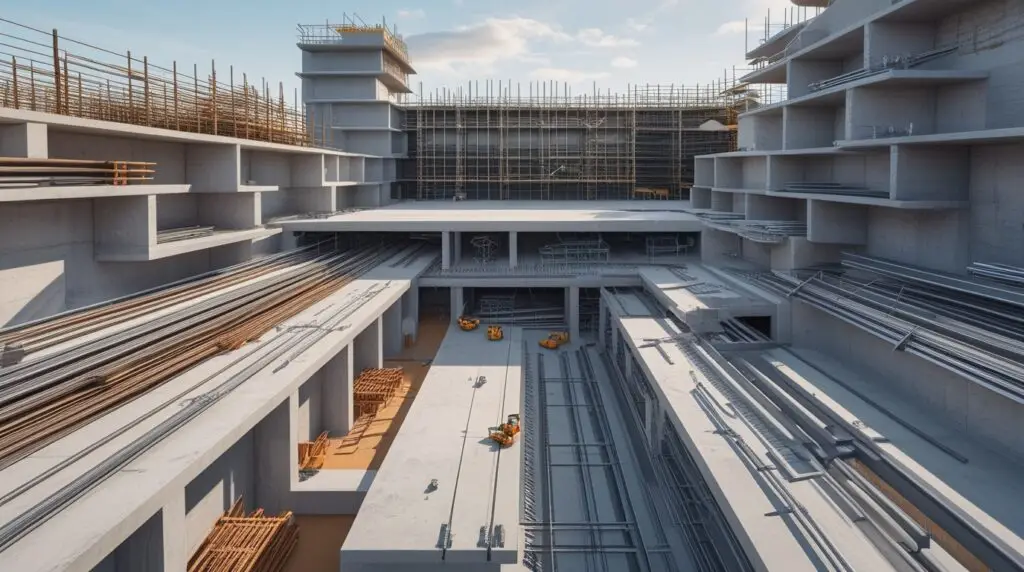
BIM enhances flexibility, productivity, scheduling, and resource allocation. Additionally, it helps teams detect design defects before construction begins, significantly reducing costly site issues.
Because BIM creates a comprehensive virtual model, teams essentially build the project digitally before breaking ground. This proactive approach leads to fewer errors, more controlled revisions, and lower overall costs.
Why Choose Mettler Design for BIM-Based Rebar Detailing Services
Mettler Design delivers industry-focused BIM-based rebar detailing services tailored to modern AEC challenges. By leveraging cutting-edge BIM tools and proven workflows, Mettler Design helps clients improve accuracy, reduce risk, and accelerate project delivery.
Furthermore, Mettler Design aligns BIM strategies with real-world construction needs. This alignment ensures that every rebar detail supports constructability, compliance, and long-term performance.
Final Thoughts
The transition from CAD to BIM is no longer optional—it is essential. BIM-based rebar detailing services empower AEC firms to overcome information overload, improve cost accuracy, and deliver high-quality structural designs. With expert support from Mettler Design, firms can confidently embrace BIM and stay competitive in an evolving industry.
If you are ready to move beyond traditional CAD and unlock the full potential of BIM, now is the time to act.
