
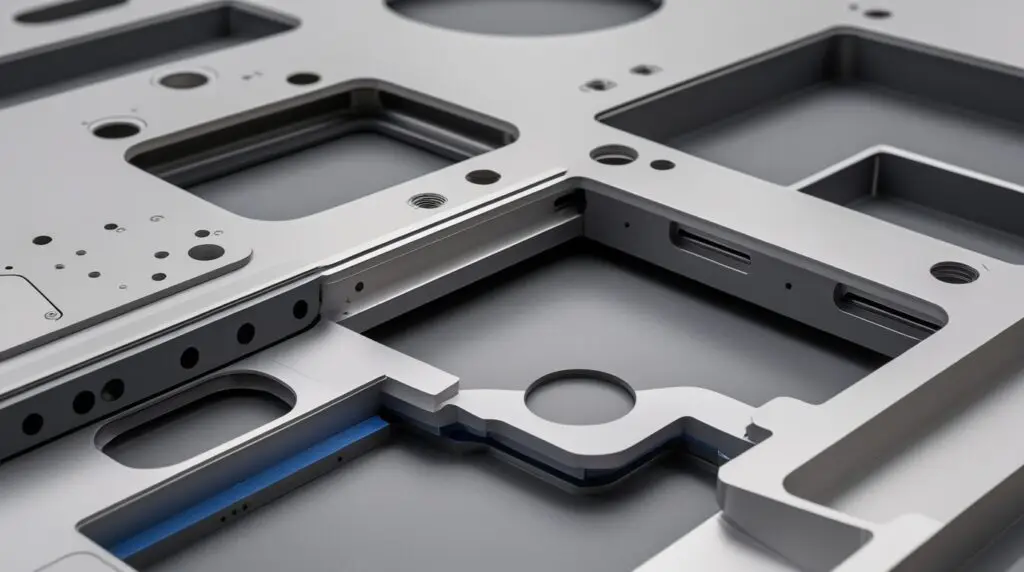
Designing cutouts might look simple at first, but once you dive deeper into custom parts and enclosures, the real challenges become obvious. Whether you’re creating openings for connectors, switches, displays, or ventilation, your design choices significantly impact performance, durability, and manufacturability. That’s why implementing the right cutout design best practices for custom enclosures is essential—and it’s exactly what Mettler Design helps clients achieve.
Why Smart Cutout Design Matters
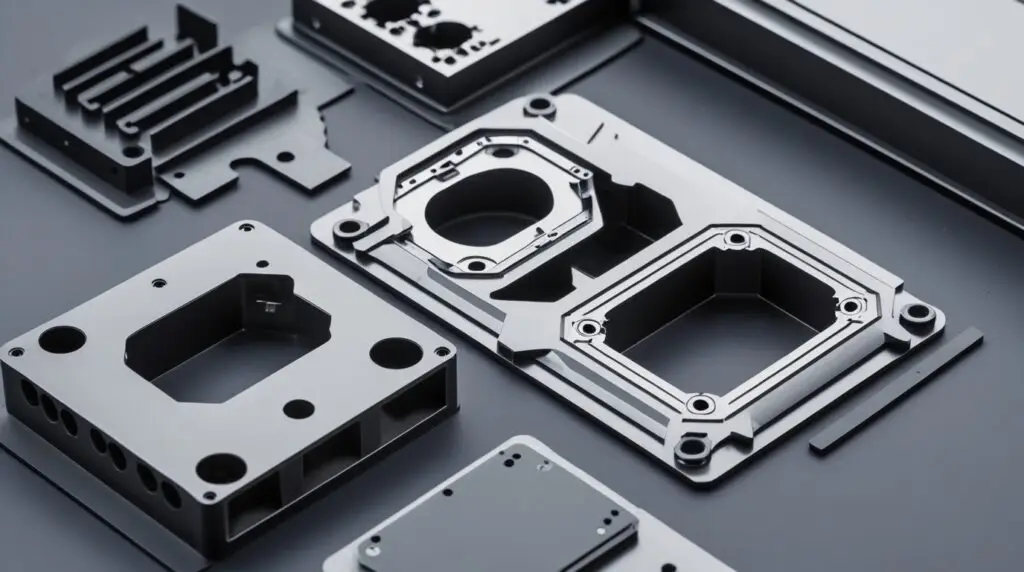
In modern hardware, cutouts do more than allow access. They improve airflow, support electrical performance, maintain structural integrity, and elevate overall aesthetics. However, even minor design mistakes can lead to stretching, misalignment, interference, weak spots, or installation issues.
Mettler Design focuses on precision engineering and smart manufacturability choices to eliminate these problems early.
Cutout Placement: Start with Precision
One of the most crucial decisions in any enclosure project is cutout positioning. And because placement affects everything downstream, it must be right from the start.
Avoid Placing Cutouts Near Bend Lines
When cutouts sit too close to bends, press brake forming can stretch or distort the edges. This leads to poor fitment and structural issues.
To prevent this:
- Always consider minimum flange values
- Refer to the material bend radius and minimum bend size guidelines
- Maintain recommended distances for clean, accurate bends
When You Must Place Cutouts Near Bends
Sometimes your layout demands a cutout close to a bend. In these cases:
- Use notches to relieve stress
- Or shift to CNC machining for smooth, precise edges
Mettler Design helps clients evaluate both options depending on component requirements.
Thermal and Electrical Considerations
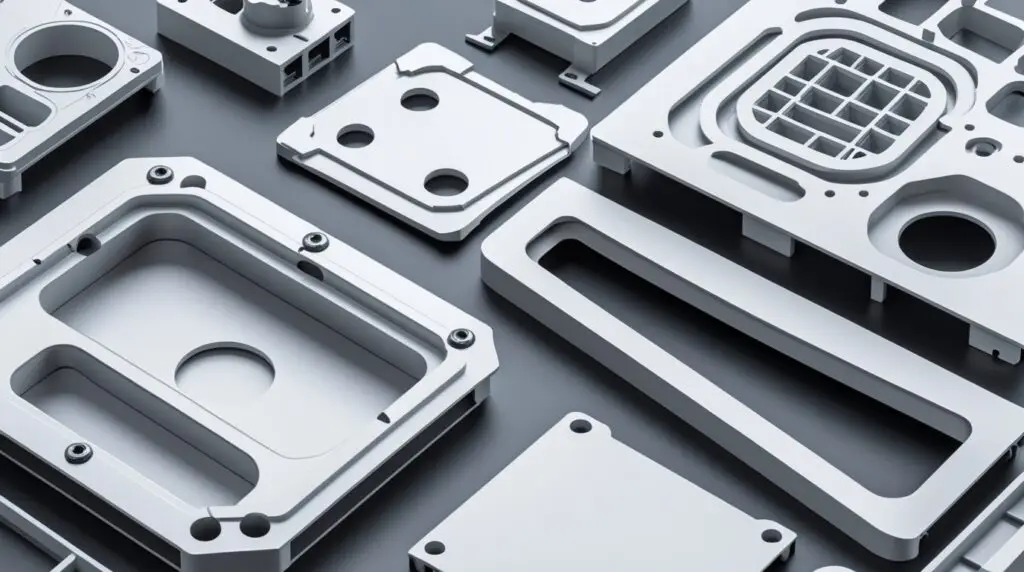
Cutouts often support electrical ports, high-power modules, or ventilation features. Because of this, their placement affects thermal flow and electrical safety.
Avoid Overcrowding Connectors
Cutouts placed too close may cause:
- Signal interference
- Electrical arcing
- Excessive heat buildup
Protect Structural Integrity
In load-bearing panels, poorly placed openings weaken the overall assembly. A balanced spacing strategy maintains both strength and usability.
Correct Sizing of Cutouts
Sizing errors are among the most common design issues.
Cutouts Too Small
They can:
- Damage connectors during installation
- Prevent smooth insertion
- Force rework or re-machining
Cutouts Too Large
They may:
- Create loose fits
- Require additional seals or gaskets
- Cause component instability
That’s why designing with manufacturing tolerances is key. Mettler Design’s advanced tolerance management ensures perfect fitment every time.
Material Expansion and Shrinkage
Extreme temperatures can cause metals and plastics to expand or contract. While easy to overlook, this factor matters for:
- Tight-tolerance features
- Outdoor products
- High-heat electronics
Iterative prototyping helps validate assumptions. Mettler Design’s rapid production workflows allow teams to test, refine, and optimise quickly.
Spacing Between Cutouts
Cutout spacing plays a major role in aesthetics and durability.
For example:
- In speaker grills, holes placed too close together reduce the strength
- In electronic housings, inconsistent spacing affects alignment
- In ventilation panels, poor spacing impacts airflow efficiency
Mettler Design emphasises uniform spacing strategies that elevate both function and design quality.
Consider Installation Needs Early
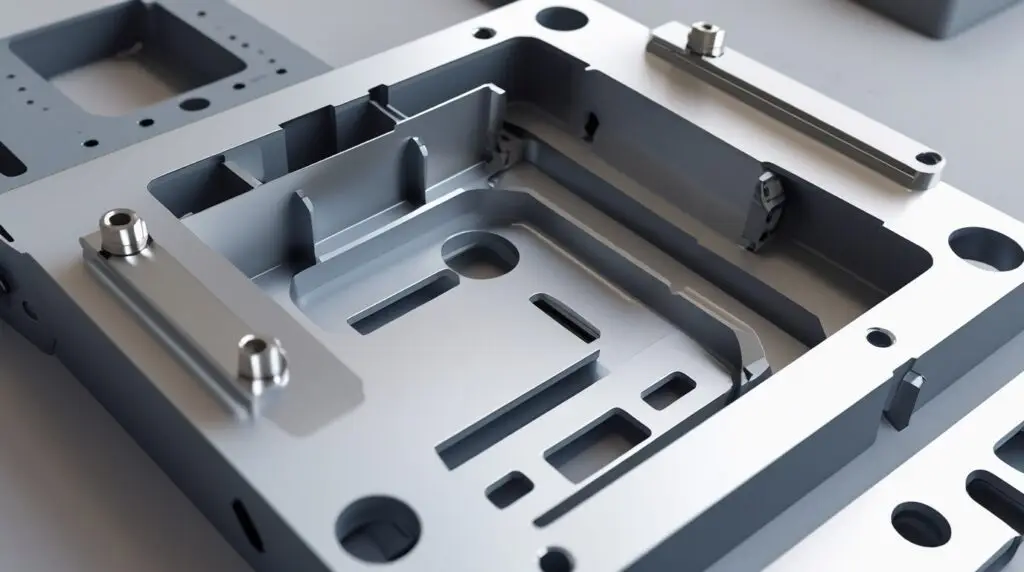
Even if a component fits perfectly in CAD, real-world installation can introduce challenges.
A few examples:
- Tools like screwdrivers or wrenches may not fit into tight corners
- Hands may not reach recessed fasteners
- Cutouts may not allow for straight insertion paths
By considering installation access early, you avoid costly redesigns and ensure a smooth assembly process.
Streamline Your Designs with Smart Tools
Although the reference mentions Protocase Designer, the key takeaway applies universally:
Real-time manufacturability checks drastically reduce design errors.
Mettler Design integrates similar precision-driven workflows and supports clients in evaluating:
- Cutout size and placement
- Material considerations
- Tolerance targets
- Structural impacts
This design-for-manufacturing approach keeps projects efficient, accurate, and ready for production.
Final Thoughts
Thoughtful cutout design is essential for creating reliable, high-performance enclosures. By focusing on proper placement, spacing, tolerances, structural impacts, and real-world installation, you significantly improve both usability and aesthetics.
Looking for design services, consider talking to Mettler Design by going towards the contact page.
