
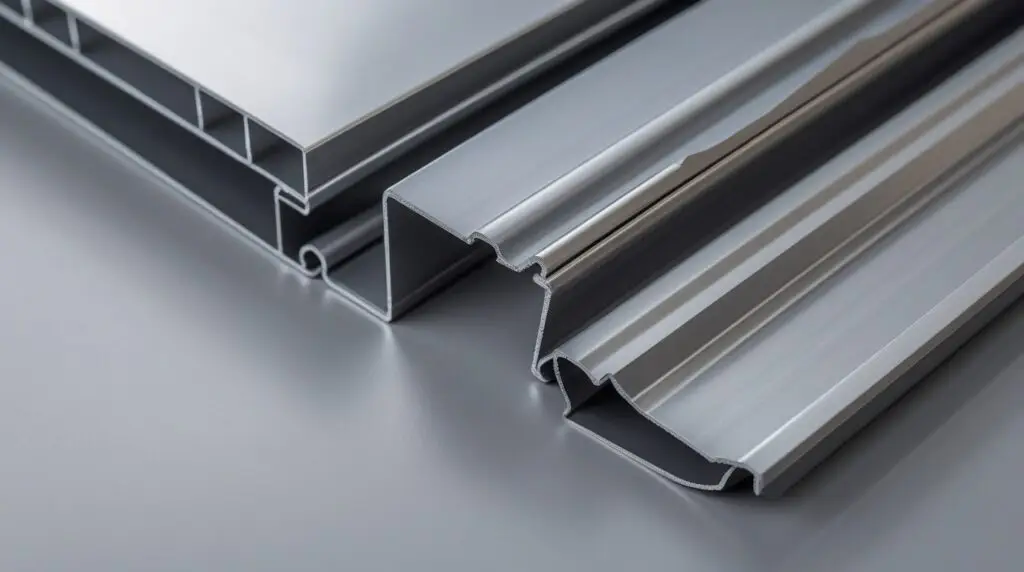
In modern sheet metal fabrication, bending is an essential process that transforms flat metal sheets into complex, functional geometries. It enhances strength, functionality, and aesthetics while minimizing the need for welding or assembly. At Mettler Design, we understand that precision bending not only reduces production costs but also improves overall design versatility for custom enclosures and industrial parts.
However, bending comes with challenges. Without proper design consideration, materials can crack or tear—especially when stress at the bend exceeds the material’s tolerance.
Challenges During the Bending Process
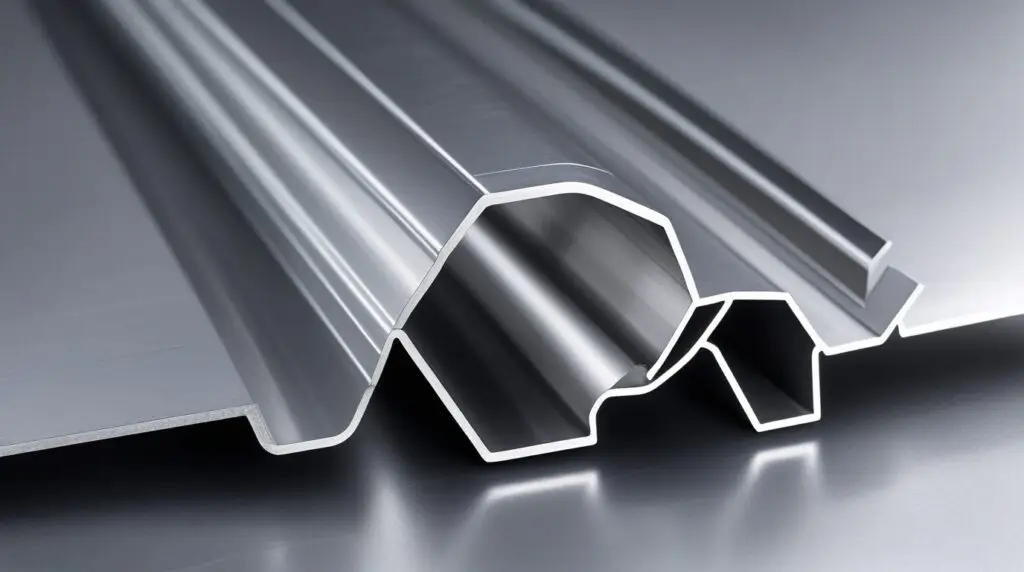
One of the most common issues during bending is material cracking caused by excessive stress at the bend line. Similarly, edge distortion and tearing may occur, affecting both structural integrity and appearance. These deformations can lead to part rejection, costly rework, and production delays.
Fortunately, designers can prevent these issues by integrating bend reliefs into their sheet metal parts.
What Are Bend Reliefs?
Bend reliefs are small, intentional cuts added at the ends of bends in a sheet metal design. Their main purpose is to prevent cracking, tearing, or warping by releasing localized stress during bending. They are especially critical when a bend is located near an edge, tab, or corner—areas most prone to material strain.
By including bend reliefs, engineers ensure clean, accurate bends while maintaining dimensional precision and surface quality.
Why Bend Reliefs Matter in Sheet Metal Design
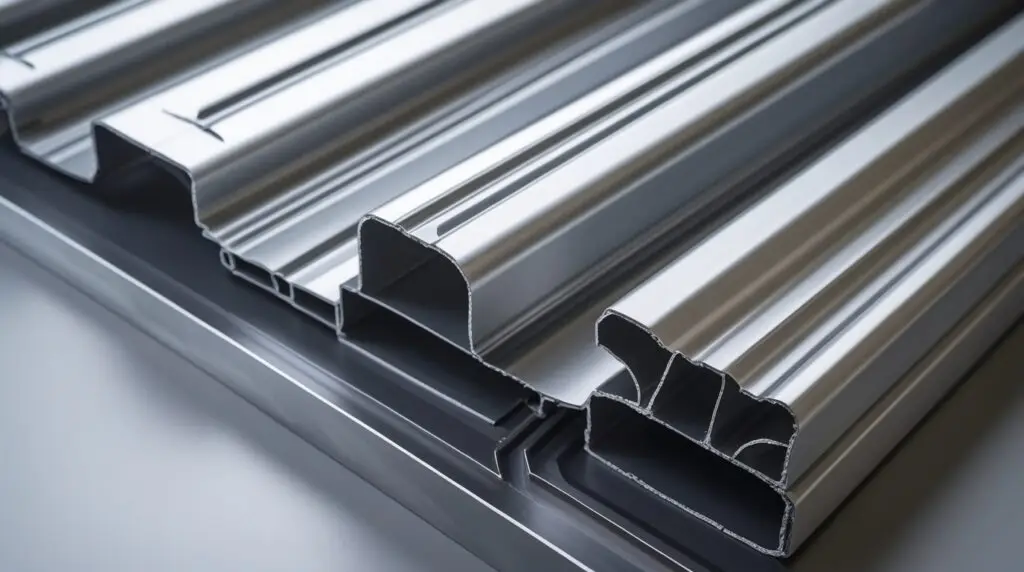
Adding bend reliefs offers multiple benefits that directly impact fabrication quality:
1. Prevents Cracking and Tearing
Bend reliefs provide a break in the material, allowing it to deform safely without overstretching—especially important for tight bends or thin flanges.
2. Reduces Warping and Distortion
By giving the material a natural path to bend, reliefs prevent bulging and uneven edges, maintaining smooth corners and consistent dimensions.
3. Protects Nearby Features
Holes, slots, and other design features near bends remain unaffected since bend reliefs help isolate bending stress from these areas.
4. Enhances Aesthetic Quality
Clean corners and uniform bends result in visually appealing enclosures—ideal for products where appearance is as crucial as performance.
Design Guidelines for Effective Bend Reliefs
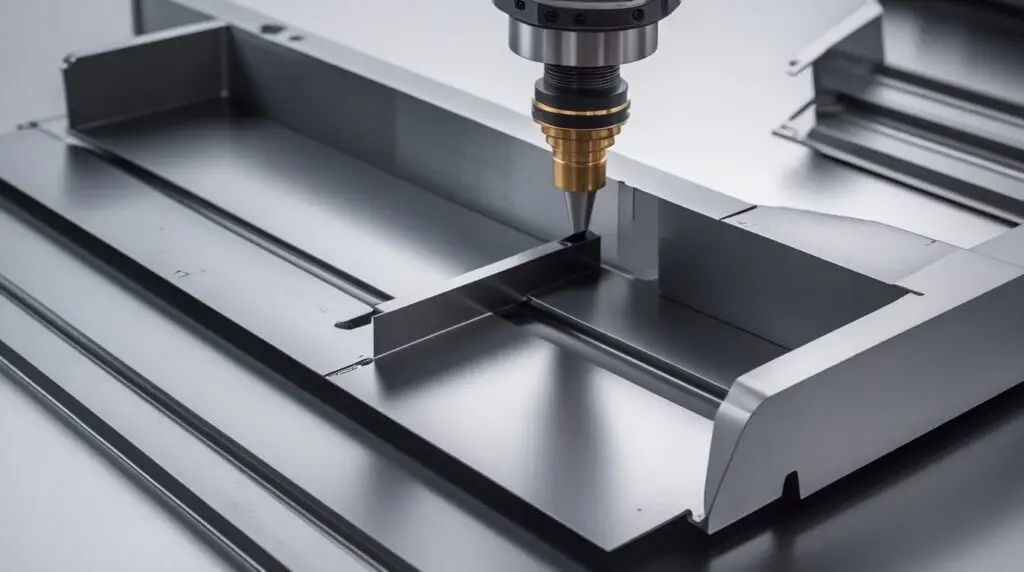
To design effective bend reliefs, precision is key. Follow these general rules used by Mettler Design’s fabrication experts:
- Relief Width: Match or slightly exceed the material thickness.
- Relief Depth: Extend just beyond the bend radius to minimize stress.
- Shape Options: Rectangular, rounded, or custom depending on design needs.
For Laser-Cut Parts
- Minimum relief width: 0.015″ (0.381 mm).
- Relief inset: 0.015″ (0.381 mm) from the bend radius.
- Either rectangular or rounded shapes are suitable.
For Router-Cut Parts
- Relief width increases with material thickness.
- Use rounded shapes for smoother stress distribution.
- General rule: Relief width ≈ ½ of material thickness, but not less than 0.045″ (1.143 mm).
By adhering to these guidelines, designers can ensure durability, precision, and consistent quality in every custom part.
Conclusion: Design with Precision, Fabricate with Confidence
Bend reliefs may seem like a small design detail, but they play a critical role in the success of your sheet metal fabrication projects. Ignoring them can lead to cracking, warping, and poor aesthetics—issues that compromise both performance and production efficiency.
At Mettler Design, we leverage decades of expertise in custom sheet metal design and fabrication to help engineers achieve precision and performance in every project.
Ready to elevate your design? Contact Mettler Design to discuss your next custom enclosure or fabricated part today.
