
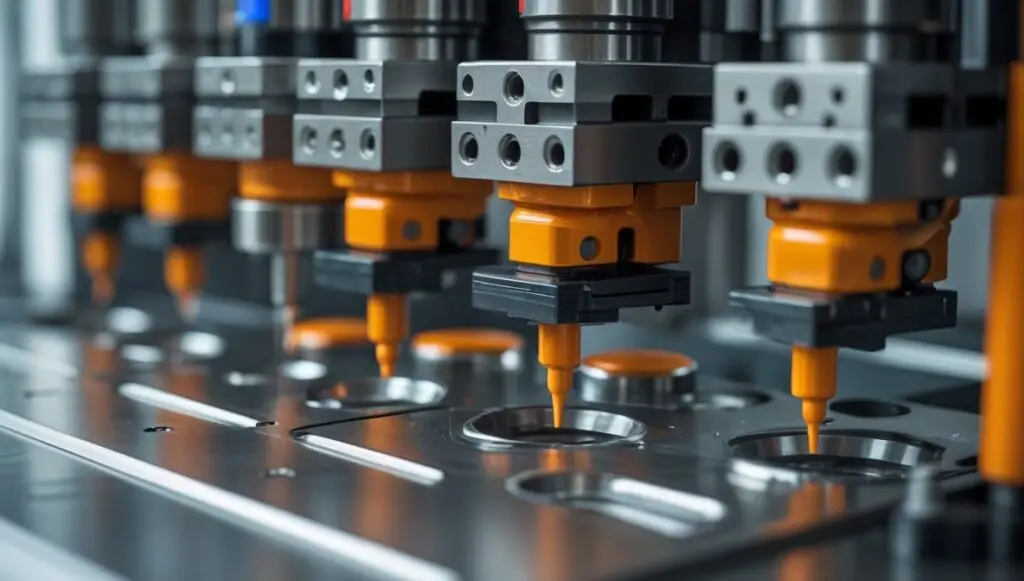
Injection moulding is a powerhouse in the manufacturing world, a highly efficient and versatile process that churns out complex plastic parts with remarkable speed. As technology has advanced, so has this method, leading to a diverse range of specialized types of injection moulding that cater to specific needs, materials, and product designs.
To truly appreciate its capabilities, let’s explore the various categories of this fascinating process, beginning with a look at the materials that define the final product.
Classifying by Material: The Foundation of Moulding
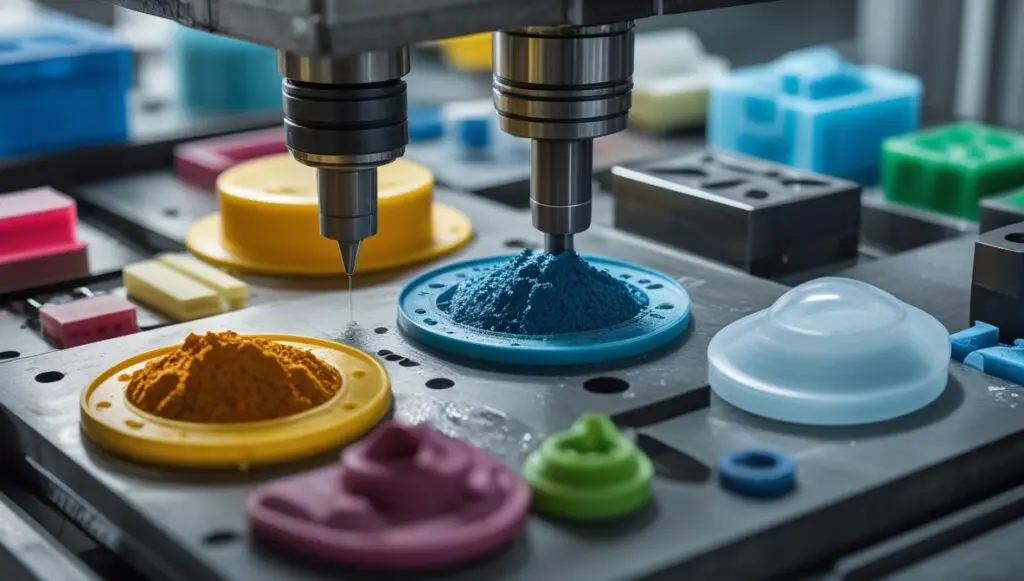
The first way to categorize injection moulding is by the material used. Different polymers and even metals require unique handling, so understanding the material is crucial.
Thermoplastic Injection Moulding
Without a doubt, this is one of the most popular and versatile methods available. It uses thermoplastic polymers, which are materials that soften when heated and solidify upon cooling. This property is incredibly useful because it makes them recyclable. Old products can be melted down and reformed into new ones, which is not only sustainable but also cost-effective.
This process is used to create a huge variety of products that we see every day. From household items like chairs, toys, and storage bins to critical industrial components such as gears and pumps, and even medical devices like surgical tools and splints, thermoplastic injection moulding is everywhere. Its durability and lightweight nature make it a go-to choice for a wide range of applications.
Thermoset Injection Moulding
On the other hand, we have thermoset injection moulding, a process that uses thermosetting polymers. Unlike their thermoplastic counterparts, these materials are designed for single use and cannot be recycled. Once they are heated and injected into a mould, they undergo an irreversible chemical reaction, curing permanently. A great example of this is epoxy. Once it hardens, you can’t simply melt it down again.
Despite being non-recyclable, this process is still incredibly valuable, especially for manufacturing metal replacement parts. Thermosetting polymers offer excellent durability and resistance, making them ideal for high-performance applications in the aerospace, automotive, and industrial sectors. Think of things like aircraft structure components, car dashboards, engine parts, and electrical switches. This method is fast, repeatable, and cost-effective for large-scale production runs.
Metal Injection Moulding (MIM)
Now, let’s talk about a process that goes beyond plastic. Metal injection moulding (MIM) is a specialized variant that uses fine metal powder mixed with a polymer binder. This mixture is injected into a mould to create intricate metal parts. After the part is moulded, the binder is removed and the metal is sintered, or heated to just below its melting point. This sintering process creates a dense, strong metal part.
This technique is a real game-changer for producing small, complex components, often weighing less than 100 grams. It allows for thin walls and net-shape features, meaning the parts require very little post-processing. While the injection itself is quick, the overall lead time is determined by the debinding and sintering phases. Still, the ability to produce high-quality metal parts with the precision of injection moulding makes MIM a compelling choice for demanding applications.
Classifying by Features: Specialised Injection Moulding Techniques
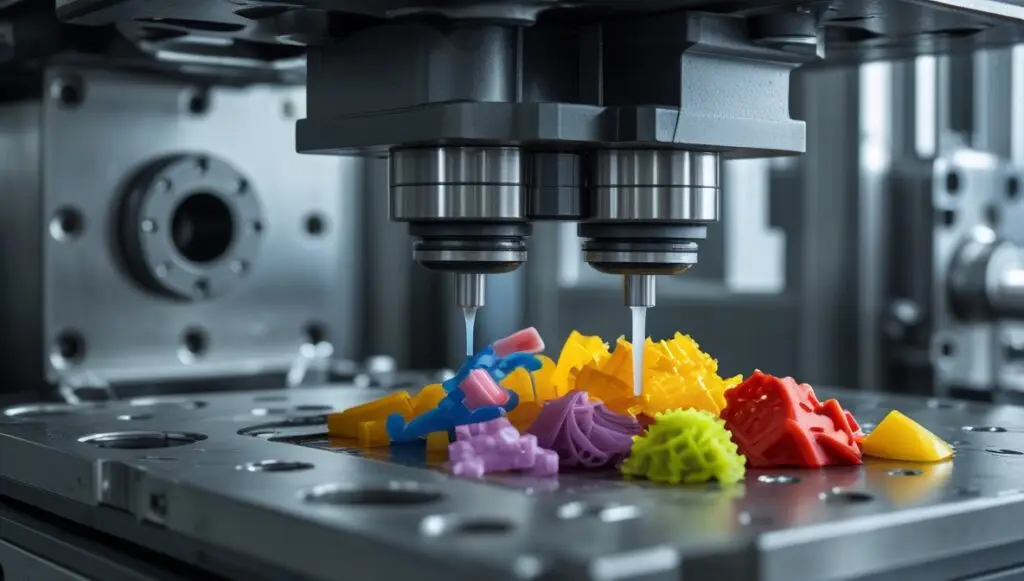
Beyond the material, some types of injection moulding are defined by their unique features or the specific products they are designed to create. These methods solve complex manufacturing challenges, enabling the creation of intricate or multi-material parts.
Cube Moulding
Looking for a way to double productivity and reduce cycle times? Look no further than cube moulding. This innovative process uses a cube-shaped mould that rotates, allowing multiple sides to be used for sequential injections. As one side is being injected, another side is cooling, and another is ejecting a finished part. This simultaneous operation can reduce production time to less than 0.25 seconds per component, offering a remarkable 40% reduction in cycle times.
Cube moulding is a fantastic solution for producing complex parts with multiple materials and colors. It requires a lower clamping force and is highly compatible with high-volume production, making it a favorite for manufacturing one-, two-, or three-component parts efficiently.
Gas-Assisted Injection Moulding
When you need to create a hollow part with a smooth, glossy finish, gas-assisted injection moulding is the answer. This process uses pressurized gas to create internal cavities. The gas exerts even pressure in all directions, which ensures uniform wall thickness and prevents cosmetic defects like sink marks—those shallow depressions that can appear on a part’s surface due to uneven cooling.
This method also requires lower clamping pressures, which helps reduce costs and machine wear. By leveraging the power of pressurized gas, manufacturers can produce high-quality, lightweight parts with superior surface finishes.
Liquid Silicone Rubber Injection Moulding
This specialized technique uses silicone, a thermosetting polymer with some remarkable properties. Silicone is known for its smooth surface, high durability, and resistance to heat, chemicals, and electricity.
Unlike other materials, silicone remains a liquid at room temperature and is poured directly into the machine. It doesn’t require heating to become workable but does need vulcanization—a process where heat and sulfur are used to harden the rubber permanently. This method is ideal for creating parts that require biocompatibility and thermal stability, such as those used in medical or electronic applications.
Structural Foam Injection Moulding
When you need a large, rigid, yet lightweight part, structural foam injection moulding is an excellent choice. This low-pressure process mixes plastic with a gas, such as nitrogen, during the melting phase. The gas causes the material to foam as it’s injected into the mould, creating a solid outer skin with a lighter, porous core.
This technique is highly cost-effective because the lower pressures allow for the use of lighter and less expensive aluminium moulds instead of steel. While the process has a rougher surface finish and lower production speeds, it’s perfect for manufacturing large components like car roofs, equipment housings, and plastic pallets, providing exceptional thermal and acoustic insulation.
Micro Injection Moulding
At the other end of the spectrum is micro injection moulding, which produces miniature plastic components weighing less than one gram. These parts must adhere to extremely tight tolerances, often measured in microns. This process is essentially standard injection moulding on a microscopic scale, using a specialized unit to precisely inject tiny amounts of material.
These miniature components are crucial in the medical industry, where they enable minimally invasive surgeries and are used for micro gears, syringes, and electronic circuit boards.
Reaction Injection Moulding (RIM)
For strong, durable components, reaction injection moulding (RIM) is a powerful process that uses two or more reactive liquid polymers. These monomers, typically a resin and a hardener, are mixed and then injected into a mould at low pressure. Once inside, they undergo a rapid exothermic reaction, solidifying into a finished part.
Reinforcing materials like glass fibers or mica can be added to the mixture to further enhance the part’s strength. This technique is especially useful for creating robust components like automotive bumpers and body panels.
Fusible Core Injection Moulding
When a part requires complex internal cavities or undercuts that cannot be created with a standard demouldable core, fusible core injection moulding comes to the rescue. This process uses a core made of a low-melting-point metal or a soluble polymer that can be melted away after the part is formed, leaving the desired internal geometry.
The process involves three main stages: preparing the core, placing it in the mould for injection, and then melting it out of the finished part. It’s a highly specialized but essential technique for manufacturing intricate parts like automotive intake manifolds and brake housings.
Overmoulding and Insert Moulding
Finally, we have two related techniques for creating multi-material parts. Overmoulding involves moulding one plastic material over another in a sequential process. For example, a hard plastic base might have a soft rubber-like grip moulded over it. This technique is great for creating products with comfortable grips or different colors, like toothbrushes and knobs.
Insert moulding, on the other hand, involves moulding plastic around a pre-fabricated, non-plastic object. A classic example is a metal screwdriver encased in a plastic handle. The key distinction is the material of the substrate: overmoulding uses a plastic substrate, while insert moulding uses a non-plastic one. These processes are ubiquitous, found in everything from cables and fasteners to pacemakers.
Get a Quote
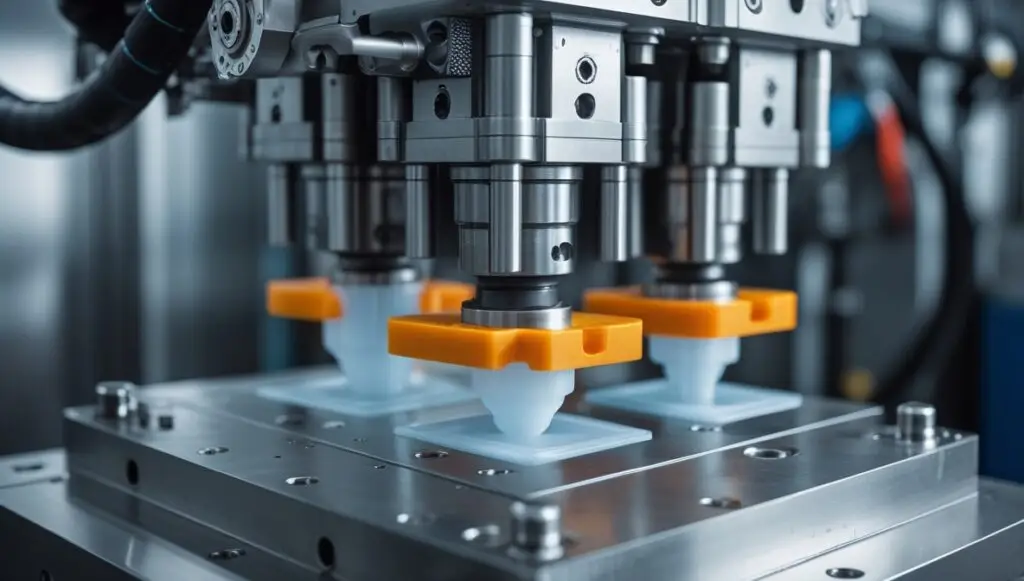
Whether you’re looking to manufacture a simple toy or a complex automotive part, understanding the different types of injection moulding is the first step toward choosing the right process.
With such a wide variety of options available, manufacturers can select the perfect technique to meet their specific needs for material, complexity, and volume.
Contact us for more information here.
