
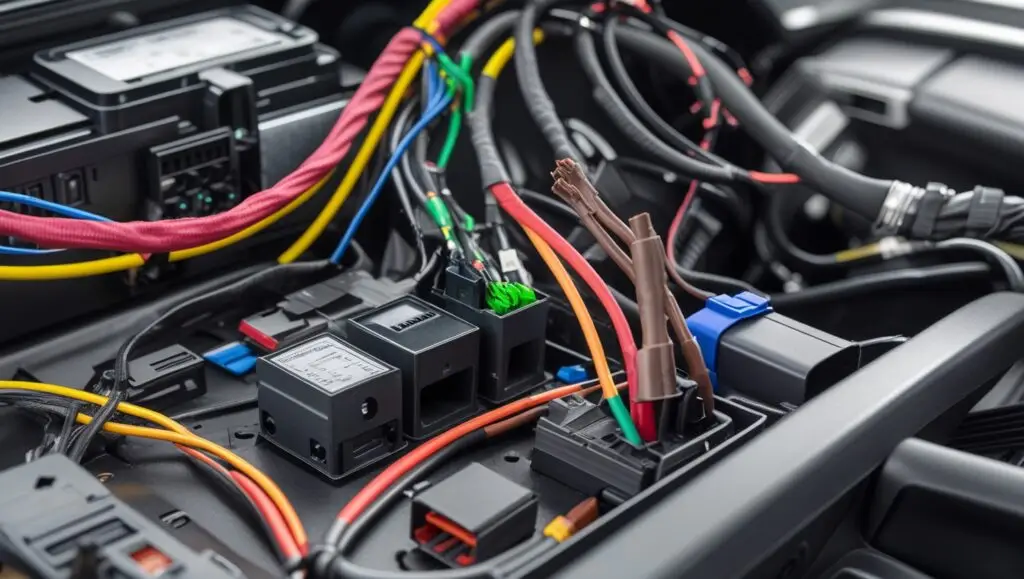
Designing vehicle harnesses requires more than just connecting wires. A harness serves as the nervous system of a vehicle, ensuring every electrical and electronic component functions correctly. From lighting to sensors and infotainment systems, everything depends on a well-structured wiring harness. If the design isn’t efficient, it can lead to performance issues, higher maintenance costs, and even safety risks.
To create harnesses that meet the demands of today’s vehicles, you need to focus on several critical aspects. Let’s explore the key points to consider while designing vehicle harnesses that can help you achieve reliability, safety, and efficiency.
1. Prioritize Safety from the Start
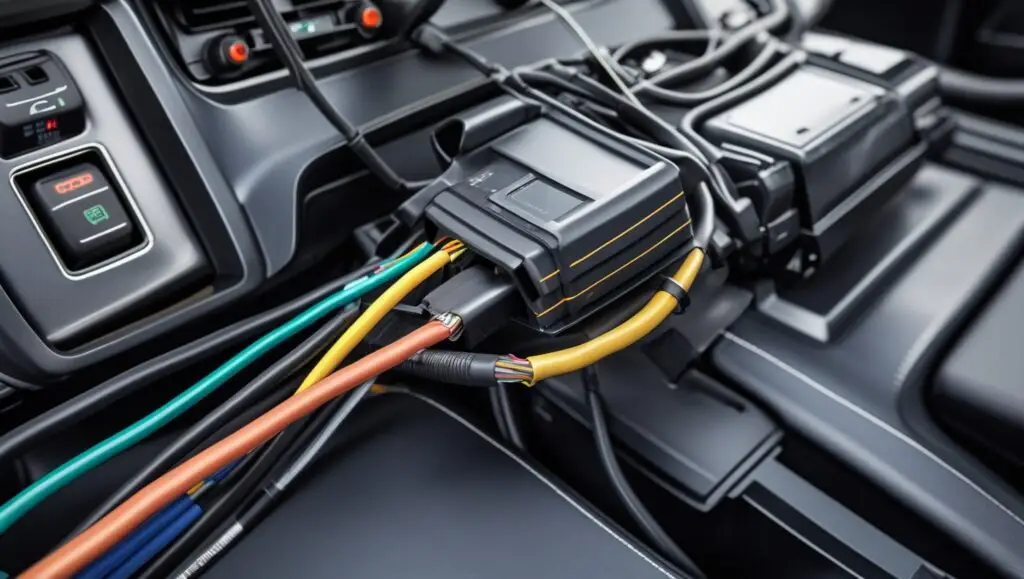
Safety is the most important consideration. Since wiring harnesses handle electrical power and signals, even a small design flaw can result in short circuits, overheating, or fires.
- Choose high-quality insulation materials to prevent current leakage.
- Keep wires away from sharp edges, hot surfaces, or moving components.
- Incorporate fuses and circuit protection to avoid overload damage.
By placing safety first, you build trust in the vehicle’s overall performance.
2. Plan for Space and Routing
Modern vehicles often pack dozens of control units and advanced electronics in limited spaces. Without a proper routing plan, wires can get tangled or damaged.
- Map out the shortest and safest routes for wiring paths.
- Ensure enough space for connectors and service access.
- Use protective coverings like conduits or sleeves for high-wear areas.
A carefully planned layout reduces stress on the harness and extends its service life.
3. Focus on Material Selection
Durability depends heavily on the materials you choose. Automotive harnesses face heat, vibration, moisture, and chemical exposure.
- Opt for wires with temperature-resistant insulation.
- Use waterproof connectors in areas exposed to rain or engine fluids.
- Select lightweight but sturdy materials to improve vehicle efficiency.
Good material choices not only improve performance but also lower long-term maintenance needs.
4. Ensure Flexibility and Modularity
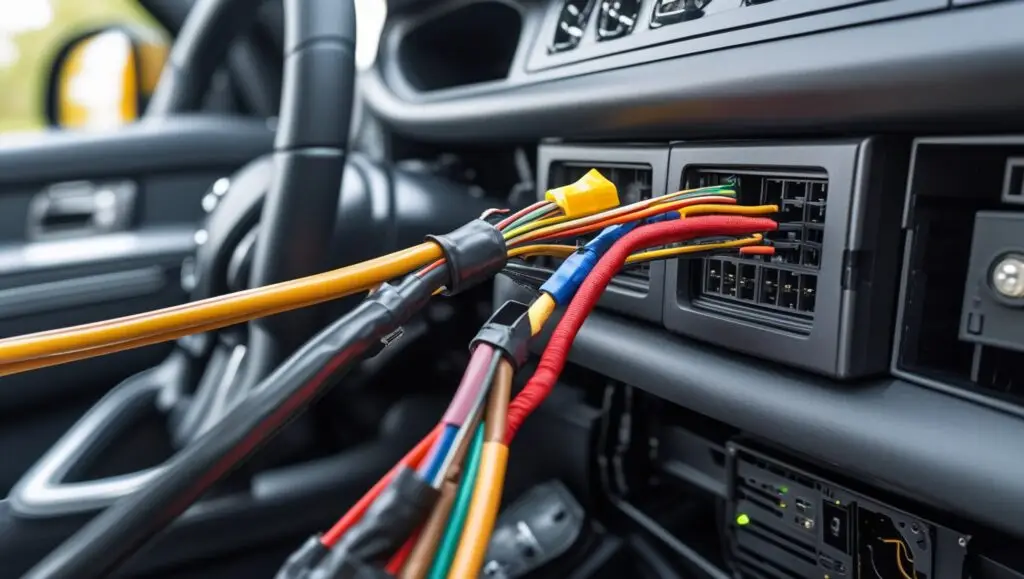
Automotive technology evolves quickly. By designing harnesses with flexibility in mind, you make future upgrades easier.
- Use modular connectors that allow quick replacements.
- Create sections that can be swapped without disturbing the entire harness.
- Design with extra provisions for potential new features.
This approach saves both time and cost when vehicles undergo upgrades or repairs.
5. Optimize for Weight and Efficiency
Every extra gram affects vehicle efficiency, especially in electric and hybrid models. Heavy harnesses add unnecessary load.
- Minimize wire lengths wherever possible.
- Choose lighter gauge wires without compromising safety.
- Avoid unnecessary overlaps and bundling.
An optimized harness boosts performance, fuel economy, and sustainability.
6. Maintain Signal Integrity
With so many electronic systems in vehicles, interference and signal loss can cause malfunctions.
- Keep power and signal cables separate.
- Use shielding for wires carrying sensitive data.
- Ensure proper grounding to avoid electromagnetic interference (EMI).
Strong signal integrity ensures smooth functioning of advanced driver-assistance systems (ADAS) and infotainment units.
7. Emphasize Ease of Assembly and Maintenance
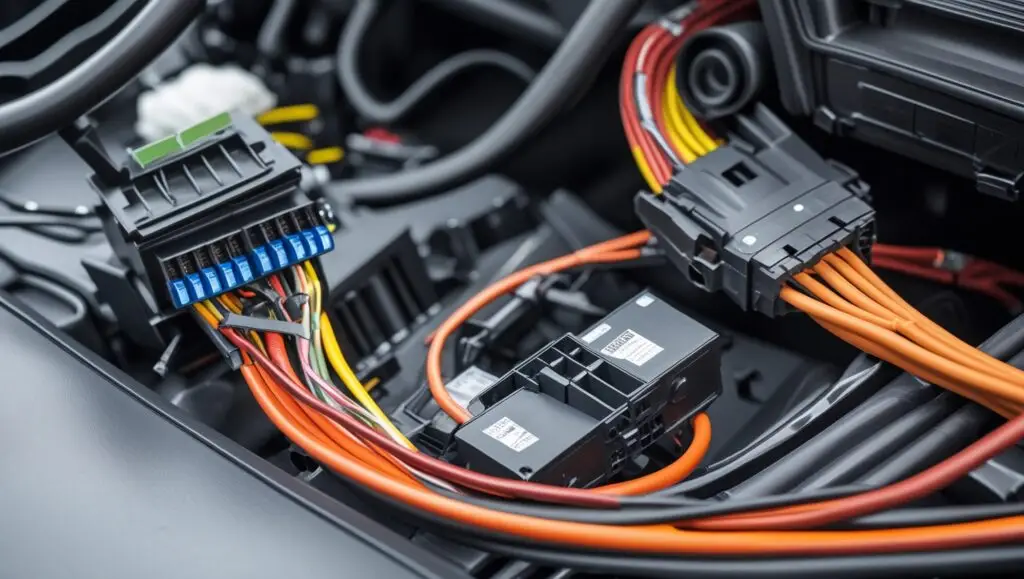
A complex harness that is hard to install or service increases costs for manufacturers and owners.
- Use clear labeling and color coding for wires.
- Standardize connectors to reduce confusion.
- Design with accessibility in mind for quicker repairs.
An easy-to-maintain harness adds value throughout the vehicle’s lifespan.
8. Test and Validate Thoroughly
Even the best designs need testing before production. Testing ensures that the harness will perform reliably under real-world conditions.
- Conduct electrical tests for continuity, insulation, and resistance.
- Perform vibration and temperature tests to simulate harsh conditions.
- Validate the design against industry safety standards.
Rigorous testing guarantees a harness that meets both quality and safety requirements.
9. Align with Industry Standards
Compliance is non-negotiable in automotive design. International standards like ISO 6722 and SAE guidelines outline safety and performance benchmarks.
By following these standards:
- You ensure consistency across designs.
- Your harnesses remain compatible with global markets.
- You reduce liability risks.
Meeting these standards strengthens both safety and brand reputation.
Final Thoughts
Designing vehicle harnesses is not just a technical task—it’s a balance of safety, efficiency, durability, and user convenience. By focusing on the points to consider while designing vehicle harnesses, you ensure that every wire and connector contributes to a reliable system.
When safety, material selection, space optimization, and signal integrity come together in a thoughtful design, the result is a harness that supports the demands of modern automotive technology. For manufacturers, this means fewer failures and lower warranty claims. For drivers, it ensures smooth and safe journeys.
In a world where vehicles are becoming smarter and more connected, a well-designed wiring harness remains the foundation that makes innovation possible.
If you are trying to get your harness designed or manufactured, consider giving us a ping using contact page.
