
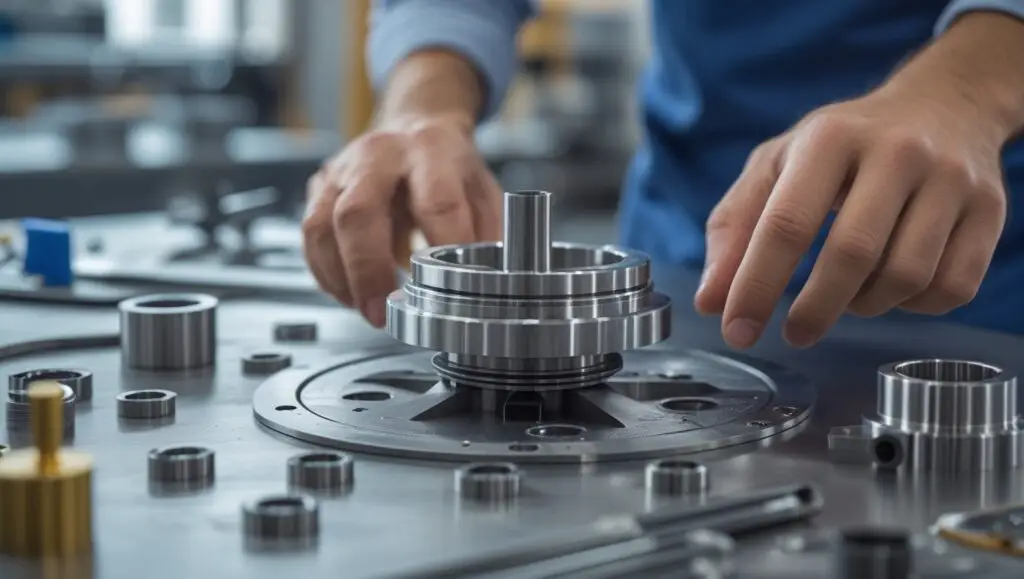
Design for manufacturability is the difference between a successful product and a failed one. In today’s competitive market, your goal isn’t just to have great ideas. It’s about taking those ideas all the way to the market. Design for manufacturability (DFM) is the missing link. It’s how to make sure your design is made in the real world.
The problem is many cool ideas die at the manufacturing stage. Suddenly, your innovative design is a costly, late, and low-quality reality. Design for manufacturability helps you avoid this. Apply DFM principles early, and you can slash costs, speed production, and ship solid products faster.
In this blog, we’ll tell you what Design for Manufacturability is. We’ll also share the seven core principles of Design for Manufacturability. So whether you’re a seasoned pro or new to the game, read on to take your product team’s knowledge to the next level.
What is Design for Manufacturability (DFM)?

Design for Manufacturability (DFM) is the process of creating products with the manufacturing process in mind from the start. Instead of taking the design approach and then trying to figure out how to make it, DFM is the opposite. You know how to make it before you design it.
Every detail of the design affects how well it can be made. From materials and sizes to shapes and steps, all of these design decisions come back to cost, feasibility, and quality. Design for manufacturability helps you keep this in mind during the design process. This way, your product is not only functional but also efficient to manufacture.
Practicing DFM well means a few key things.
It means having both design and manufacturing engineers work together. The design team is aware of how complex or simple their choices are for production. The production team needs to have enough expertise to support design decisions. Both teams can achieve this only by having a common open line of communication between them.
It also means thoroughly evaluating your design decisions, step by step. You need to consider how each choice impacts time, cost, and quality during production. DFM helps keep this top of mind and results in better designs that are ready to be made.
With good DFM, fewer redesigns are needed, less risk, and faster time to market.
Seven Core Principles of Design for Manufacturability
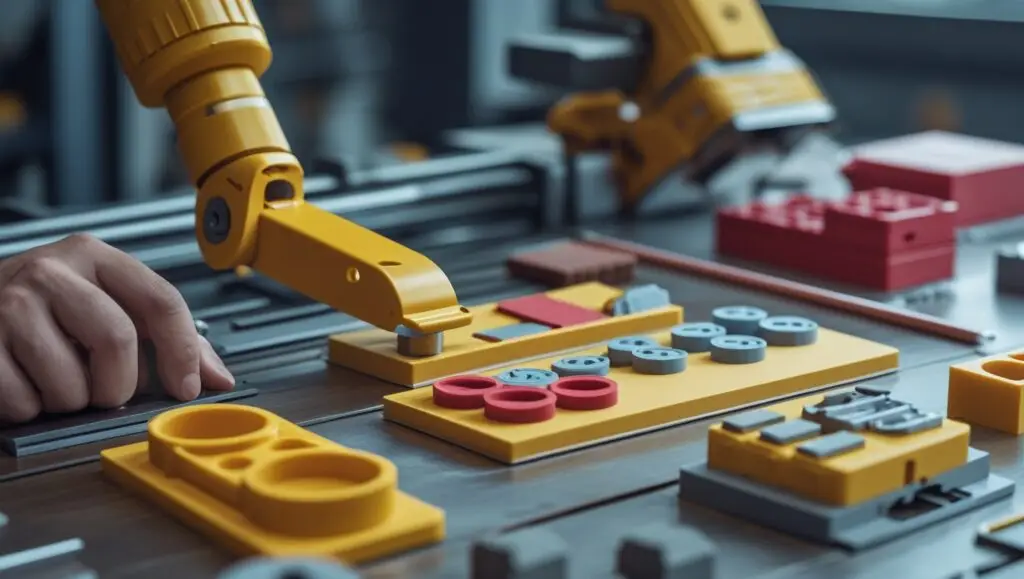
Principle 1: Understanding Manufacturing Constraints and Processes
Design for Manufacturability starts with understanding manufacturing limits. Knowing the capabilities and constraints of different processes is key. This means knowing what a process like injection molding or CNC machining can and cannot do. Some examples are:
- Injection molding is great for high volumes but not for parts with thick walls.
- CNC machining is super precise but gets costly for large production runs.
- Sheet metal fabrication is low cost but limited in complex geometries.
Working with manufacturers early lets you know about these limits ahead of time. Then, your design team works within them. For example, molders working on the design early can confirm wall thickness and draft angles are correct. This helps reduce costs and improve quality.
Principle 2: Balancing Design and Manufacturing Requirements
DFM is all about finding the sweet spot between design and manufacturing. A designer needs to balance multiple aspects like function, cost, and manufacturability of the product.
One example is tolerances:
- Tighter tolerances = better performance but higher cost
- Looser tolerances = less cost but precision problems
Another case is with sharp corners. Sharp corners may look nice but lead to stress concentration and more tool wear. Design for manufacturability here would use fillets to improve strength and reduce tool wear. Designing in this way helps achieve a well-working product while staying cost-effective.
Principle 3: Following Practical Design Guidelines and Standards
Standards are key for DFM to ensure safety and manufacturability of designs. Products need to comply with NEC, UL, CSA, and more. This is a basic need and non-negotiable.
Beyond strict compliance, other industry standards also help make things easier to produce. For example:
- Standard bolt sizes are easier to source in bulk.
- Common surface finishes may be lower cost.
- Standard materials work better with streamlined production.
Applying smart standardization where you can reduces complexity. It also allows you to focus your creative design where it truly matters.
Principle 4: Simplifying Design for Manufacturing and Assembly
Complex products are harder and more expensive to make. The more complicated, the more room for issues. A designer needs to simplify as much as possible to reduce costs and risks.
Design for manufacturability ways to simplify:
Part consolidation: Reduce the number of separate parts to lower costs and errors.
Component standardization: Using standard fasteners and hardware.
Error-proofing: Use self-locating features, color codes, and symmetry to make assembly fool-proof.
Simplicity does not equal boring. Good design is about elegance and efficiency. Simple yet well-designed products are easy to scale.
Principle 5: Clear Communication and Documentation
All the best design in the world doesn’t matter without clear instructions. Documentation is what links the design intent with the manufacturing process.
Key elements of effective documentation include:
- Material grades and standards
- Surface finish requirements
- GD&T tolerances
- Special processing instructions
The goal is to reduce errors. Modern 3D models with all the data embedded help here. Context around critical features also help the manufacturer make better decisions on the shop floor.
Principle 6: Building and Improving Design Skills
Good DFM skills are a mix of theory and practice. Visiting a production floor and seeing real products made helps designers build intuition. This is invaluable and hard to learn from books and training alone.
Ways to develop and improve skills as a designer:
- Observe real-world manufacturing
- Stay updated with latest tech like 3D printing
- Practice small-scale prototyping to test concepts
Continual learning helps designers adapt to a fast-changing world of manufacturing.
Principle 7: Cultural and Process Integration
Design for manufacturability is a process that must be part of your culture. Sporadic attempts won’t have any lasting impact.
Key ways to make it part of company DNA include:
- Early design reviews with input from production
- Cross-functional teams of designers, engineers, and quality
- Setting DFM as a clear and measurable project goal
Organizations that make DFM a core part of each stage will see results consistently. Risk goes down, and product launches become smoother.
The Competitive Advantage of Design for Manufacturability
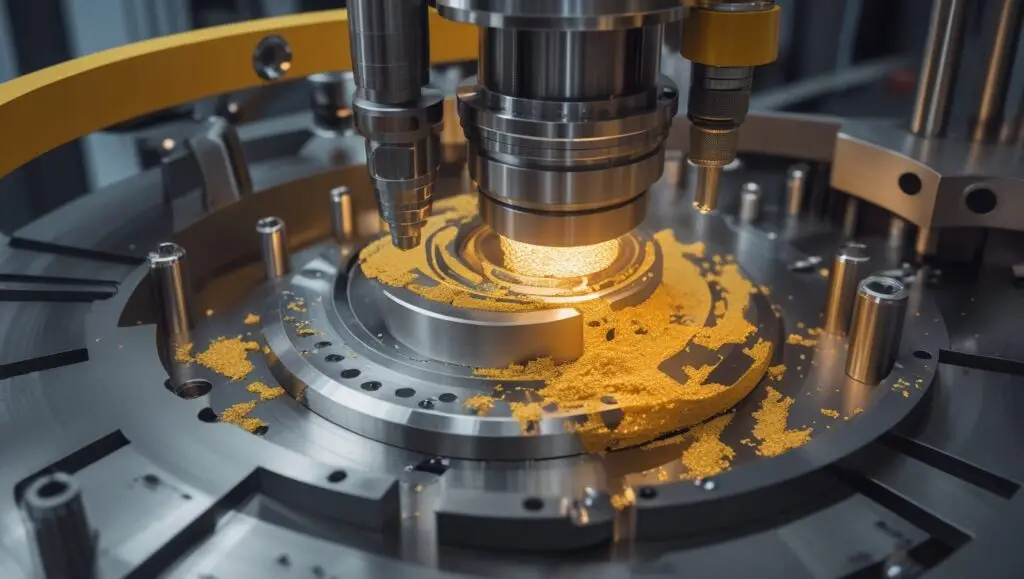
DFM is not just about following design rules. It’s a strategic way of building products for success. Apply these seven principles, and you will:
- Reduce costs
- Improve quality
- Lower risk
- Launch faster
At Season Group, DFM is in every step of product development. From concept to final manufacturing, our methodology ensures products are innovative, cost-effective, and ready for the market.
Ready to build better products? Contact us using the contact page.
